Games Info
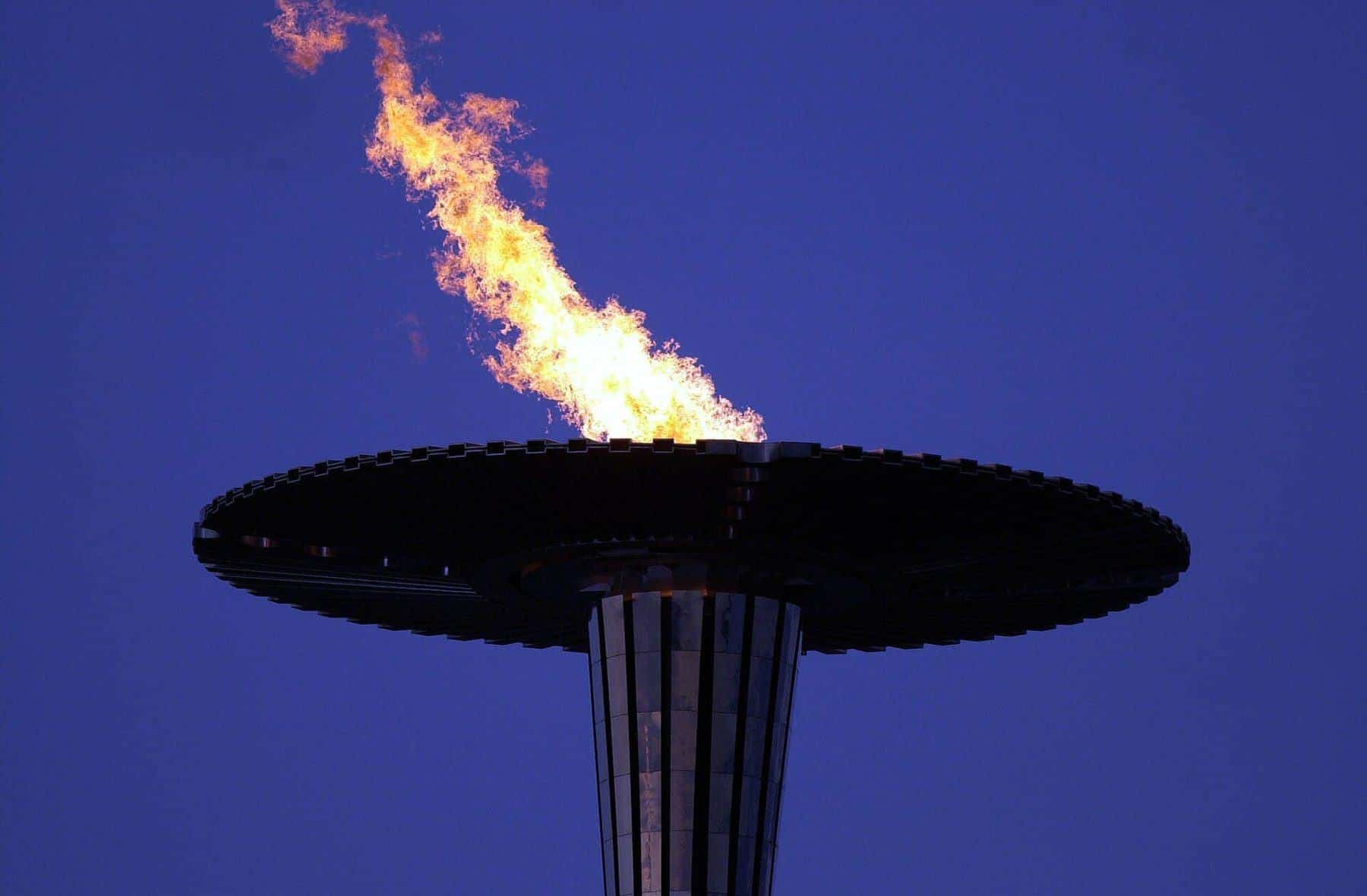
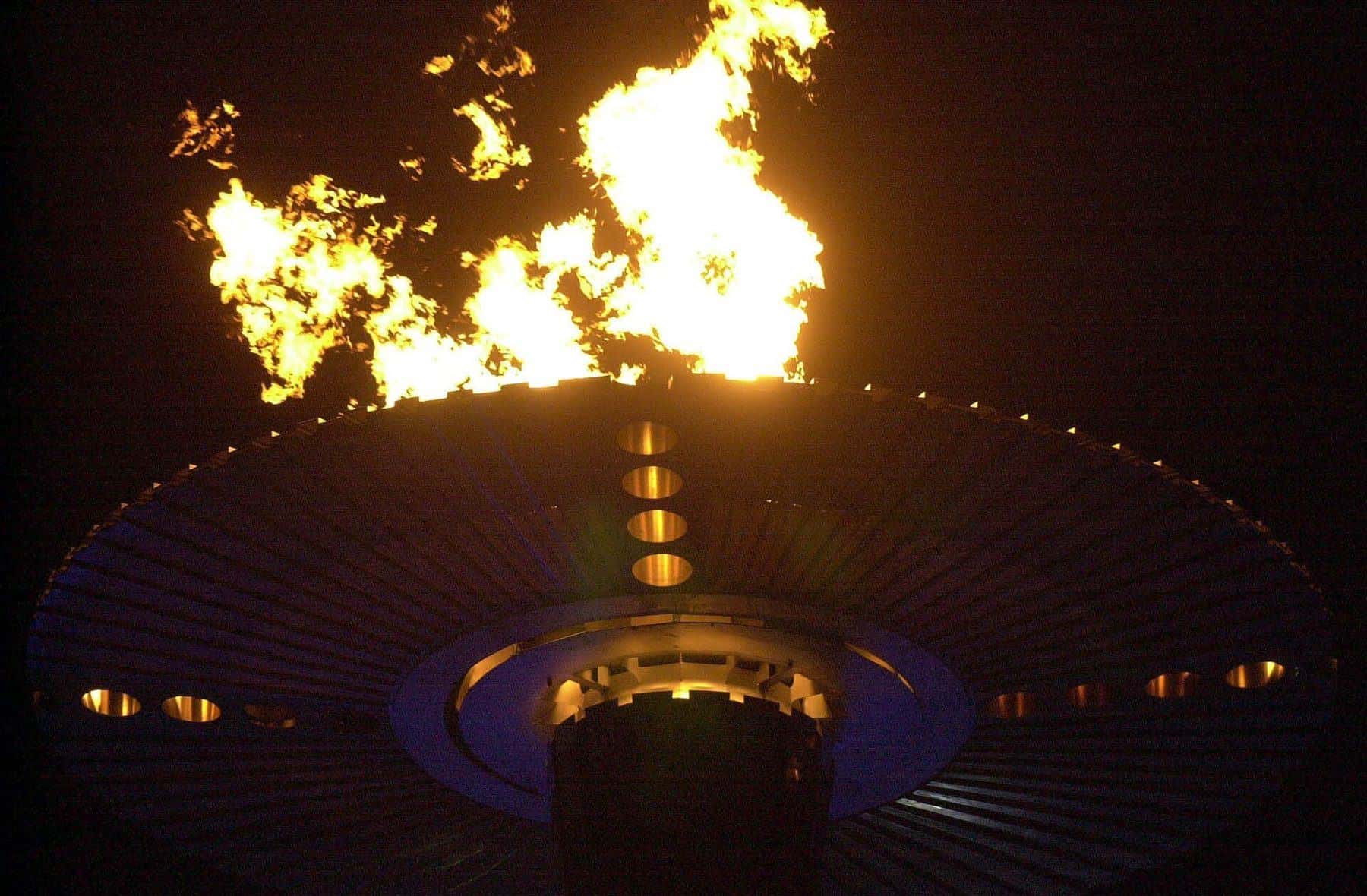
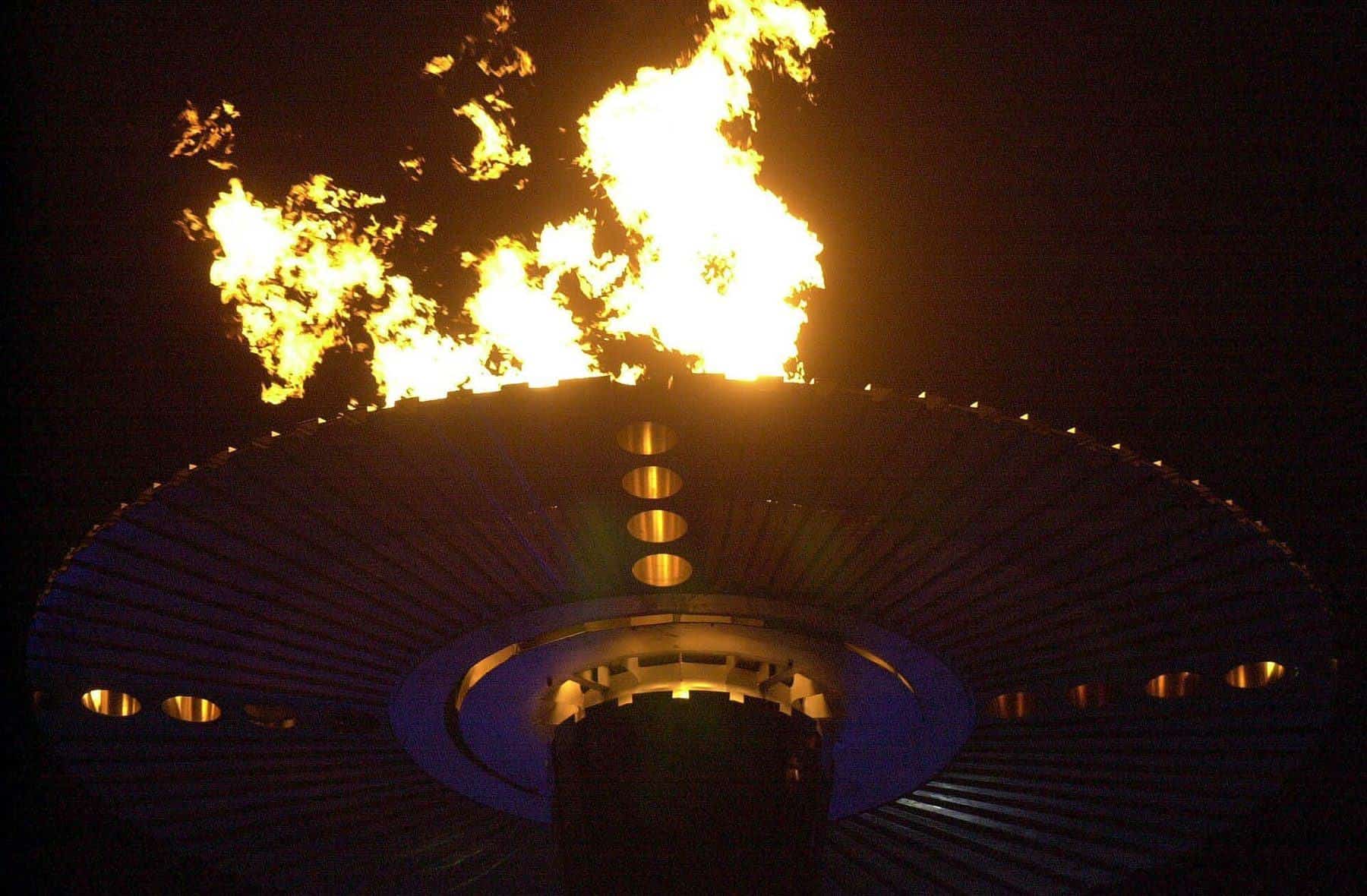
The Sydney 2000 cauldron alight at night during the Games

Sydney 2000 legacy guide

The Sydney 2000 Games, then and now

For a few weeks in 2000, Sydney hosted the world. This guide tells the story of the Olympic and Paralympic Games, follows every venue from then to now, and helps you visit the parkland they left behind.

Photo: Sport the library, CC BY-SA 3.0, via Wikimedia Commons

Start exploring

Explore the legacy

Interactive tool

Sydney 2000 venues, then and now

The Games used about thirty venues across Sydney and beyond. Filter by sport or area to see where each event was held and what the venue is used for today.

Venue explorer

Where was each sport held in 2000?

26 venues

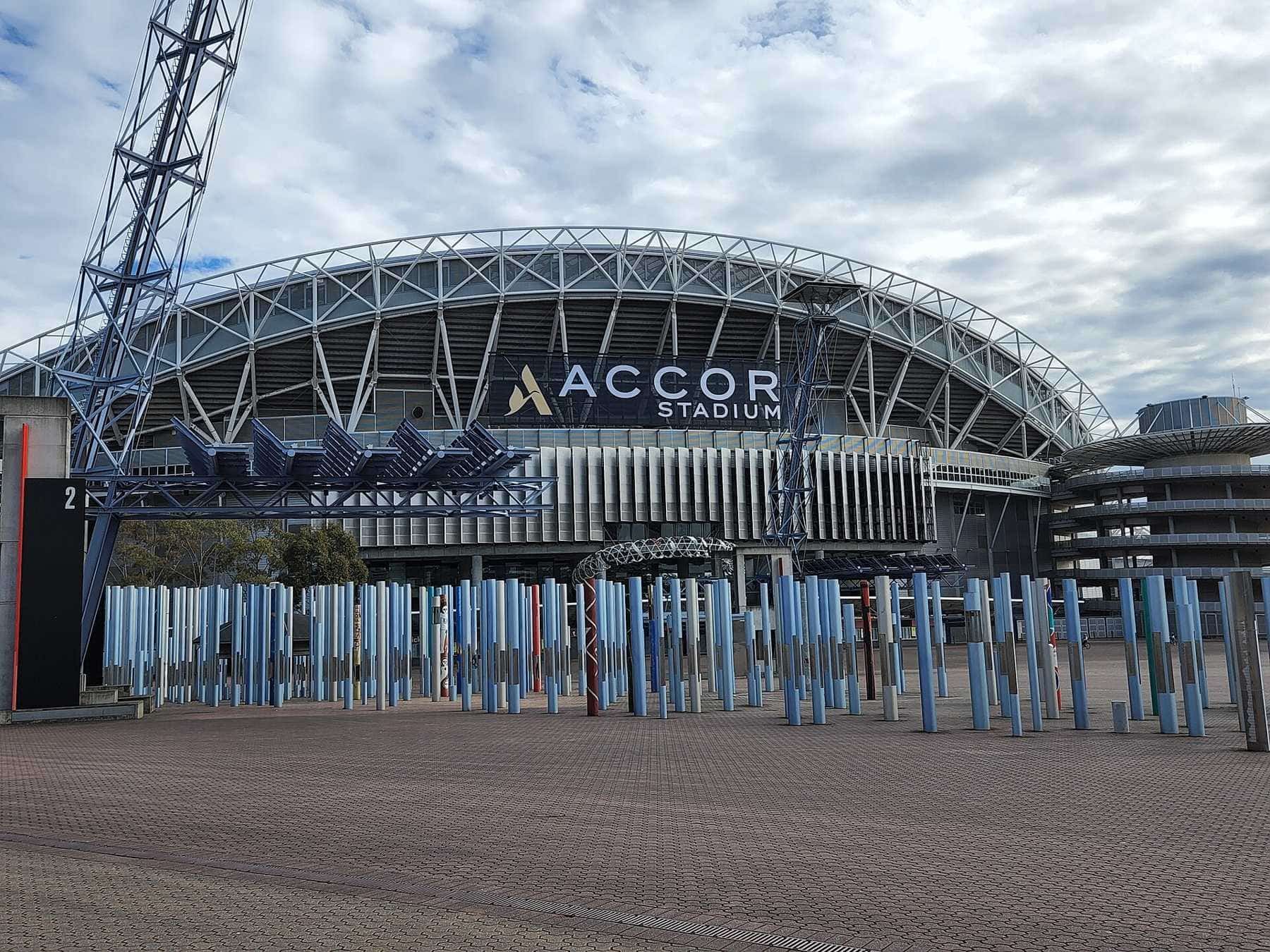
  • Stadium Australia

    Sydney Olympic Park

    In 2000: Ceremonies, Athletics, Football

    Today: Now known under naming rights as Accor Stadium. Reconfigured with a smaller capacity and used for rugby league, rugby union, football and concerts.

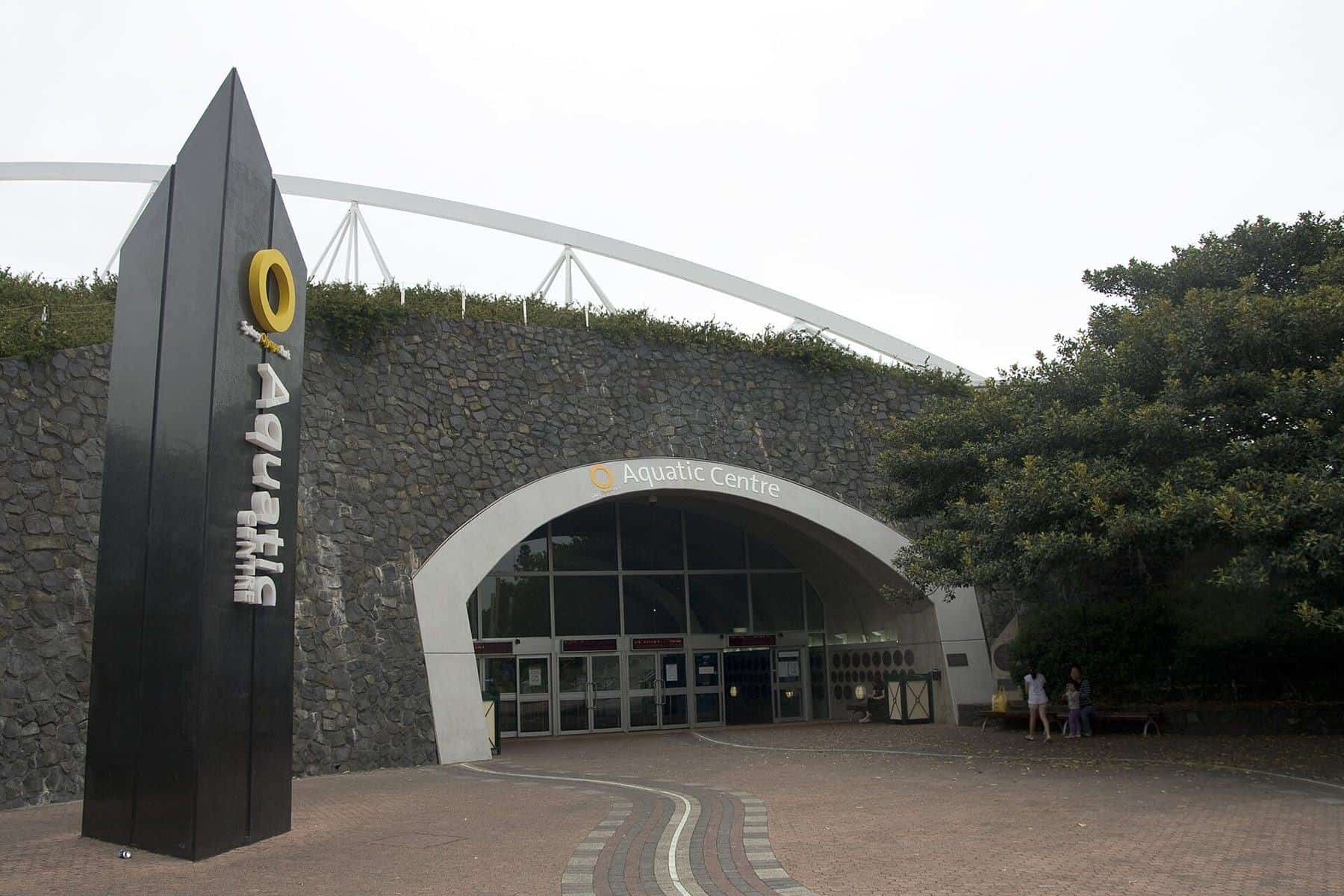
  • Sydney International Aquatic Centre

    Sydney Olympic Park

    In 2000: Swimming, Diving, Synchronised swimming, Water polo, Modern pentathlon

    Today: Now Sydney Olympic Park Aquatic Centre, a public pool, school carnival and competition venue.

  • Sydney SuperDome

    Sydney Olympic Park

    In 2000: Basketball, Gymnastics

    Today: Now an indoor arena known under naming rights as Qudos Bank Arena, used for concerts and events.

  • The Dome & Exhibition Complex

    Sydney Olympic Park

    In 2000: Badminton, Basketball, Gymnastics, Handball, Modern pentathlon, Volleyball

    Today: Part of the Sydney Showground, used for exhibitions and the Sydney Royal Easter Show.

  • Sydney Baseball Stadium (Showground)

    Sydney Olympic Park

    In 2000: Baseball, Modern pentathlon

    Today: The Showground stadium, used for AFL, cricket, events and the Easter Show.

  • Sydney Olympic Park Tennis Centre

    Sydney Olympic Park

    In 2000: Tennis

    Today: Still a tennis venue, hosting professional events, community tennis and coaching.

  • Sydney Olympic Park Hockey Centre

    Sydney Olympic Park

    In 2000: Hockey

    Today: Still a hockey venue for state, national and community competition.

  • State Sports Centre

    Sydney Olympic Park

    In 2000: Table tennis, Taekwondo

    Today: An indoor multi-sport centre used for basketball, netball and other events.

  • Sydney International Archery Park

    Sydney Olympic Park

    In 2000: Archery

    Today: Still used for archery, set within the Sydney Olympic Park parklands.

  • Sydney International Regatta Centre

    Elsewhere in Sydney

    In 2000: Rowing, Canoe sprint

    Today: At Penrith, used for rowing and paddling regattas and as public parkland.

  • Penrith Whitewater Stadium

    Elsewhere in Sydney

    In 2000: Canoe slalom

    Today: A whitewater course offering rafting and kayaking to the public.

  • Dunc Gray Velodrome

    Elsewhere in Sydney

    In 2000: Cycling

    Today: An indoor velodrome at Bass Hill, used for track cycling.

  • Sydney International Equestrian Centre

    Elsewhere in Sydney

    In 2000: Equestrian

    Today: At Horsley Park, used for equestrian events.

  • Sydney International Shooting Centre

    Elsewhere in Sydney

    In 2000: Shooting

    Today: At Cecil Park, used for target shooting.

  • Blacktown Olympic Park

    Elsewhere in Sydney

    In 2000: Baseball, Softball

    Today: A sports park used for cricket, baseball, softball and community sport.

  • Ryde Aquatic Leisure Centre

    Elsewhere in Sydney

    In 2000: Water polo

    Today: A community aquatic and leisure centre.

  • Bondi Beach

    Elsewhere in Sydney

    In 2000: Beach volleyball

    Today: A temporary stadium was built on the sand for the Games. Bondi remains one of Sydney's most famous beaches.

  • Sydney Opera House

    Elsewhere in Sydney

    In 2000: Triathlon

    Today: The triathlon started and finished near the Opera House, which remains Sydney's great performing arts centre.

  • Centennial Parklands

    Elsewhere in Sydney

    In 2000: Cycling

    Today: The road cycling course used the park and nearby streets. The park is now popular for cycling and walking.

  • Western Sydney Parklands

    Elsewhere in Sydney

    In 2000: Cycling

    Today: The mountain bike course was in the parklands, which are now open for walking, cycling and recreation.

  • Sydney Convention & Exhibition Centre

    Elsewhere in Sydney

    In 2000: Boxing, Fencing, Judo, Weightlifting, Wrestling

    Today: Demolished and replaced by the International Convention Centre (ICC Sydney) at Darling Harbour.

  • Sydney Entertainment Centre

    Elsewhere in Sydney

    In 2000: Volleyball

    Today: Demolished; the site in Haymarket has been redeveloped.

  • Sydney Football Stadium

    Elsewhere in Sydney

    In 2000: Football

    Today: The 1988 stadium was demolished and replaced by a new stadium on the same site at Moore Park.

  • Melbourne Cricket Ground

    Outside Sydney

    In 2000: Football

    Today: Still Melbourne's great stadium, home of AFL and Test cricket.

  • The Gabba

    Outside Sydney

    In 2000: Football

    Today: Brisbane's cricket and AFL ground.

  • Bruce Stadium

    Outside Sydney

    In 2000: Football

    Today: Now known as Canberra Stadium, used for rugby league and rugby union.

Based on the published list of Sydney 2000 Olympic venues. Venue names, uses and access change; check with the venue before visiting.

From 2000, this domain was home to "Gamesinfo", the archived information sites from the Sydney 2000 Olympic Games, with pages on the sports, the venues, the torch relay, getting around, accessibility and the language of the Games. That archive is long gone. Games Info is a new, independent guide that picks up the same threads a quarter of a century on: what happened, where it happened, and what you can still see.

The Games in brief

Sydney won the right to host the 2000 Olympic Games in September 1993, edging out Beijing by 45 votes to 43 in the final round of voting at the International Olympic Committee session in Monte Carlo. Seven years of preparation transformed Homebush Bay, a former industrial and waste site in Sydney's west, into Sydney Olympic Park.

The Olympic Games ran from 15 September to 1 October 2000, with teams from 199 countries and, for the first time, at least 300 medal events. They were the second Summer Olympics held in Australia after Melbourne 1956. The Paralympic Games followed from 18 to 29 October, with a record 3,801 athletes from 123 National Paralympic Committees. Read the full story in our Sydney 2000 hub.

Moments people still remember

  • Cathy Freeman lighting the cauldron at the opening ceremony, then winning the 400 metres in front of a capacity crowd at Stadium Australia.
  • The torch relay, which visited Oceania and travelled around Australia, including a dive on the Great Barrier Reef, before arriving in Sydney. Read about the torch relay.
  • The swimming at the Sydney International Aquatic Centre, now Sydney Olympic Park Aquatic Centre.
  • The volunteers, tens of thousands of them, who became a symbol of the Games.
  • The Paralympic Games, the first held in Australia, which drew large crowds. Read about the Paralympic Games.

The venues, then and now

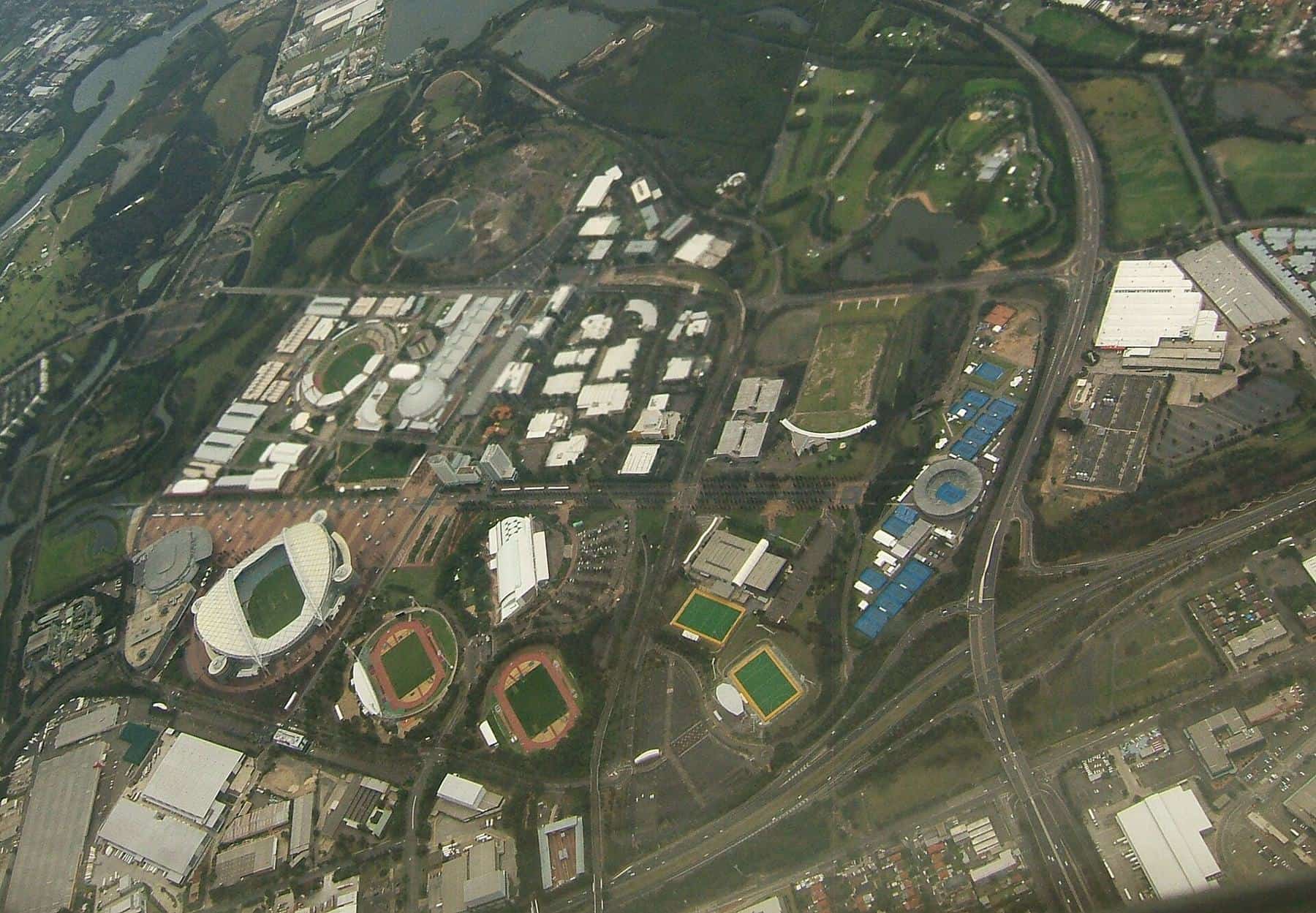
The Games used around thirty venues. The core was at Sydney Olympic Park, with others across Sydney, from Bondi Beach to Penrith, and football matches in Melbourne, Brisbane, Canberra and Adelaide. Some venues are busier than ever, some were rebuilt and some have been demolished. Use the venue explorer below, or browse our venues hub, including guides to Stadium Australia and the Aquatic Centre.

Visiting Sydney Olympic Park today

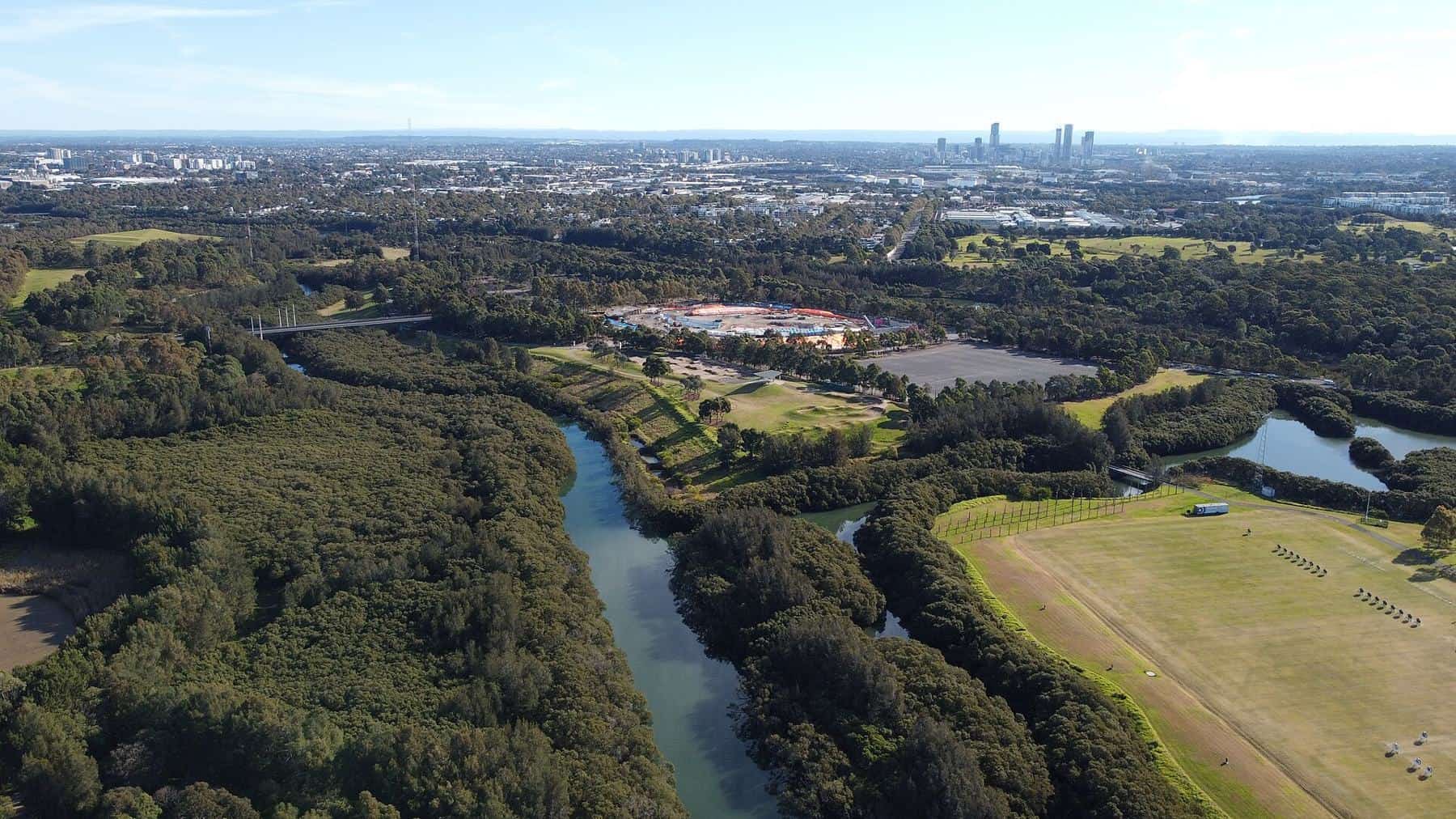
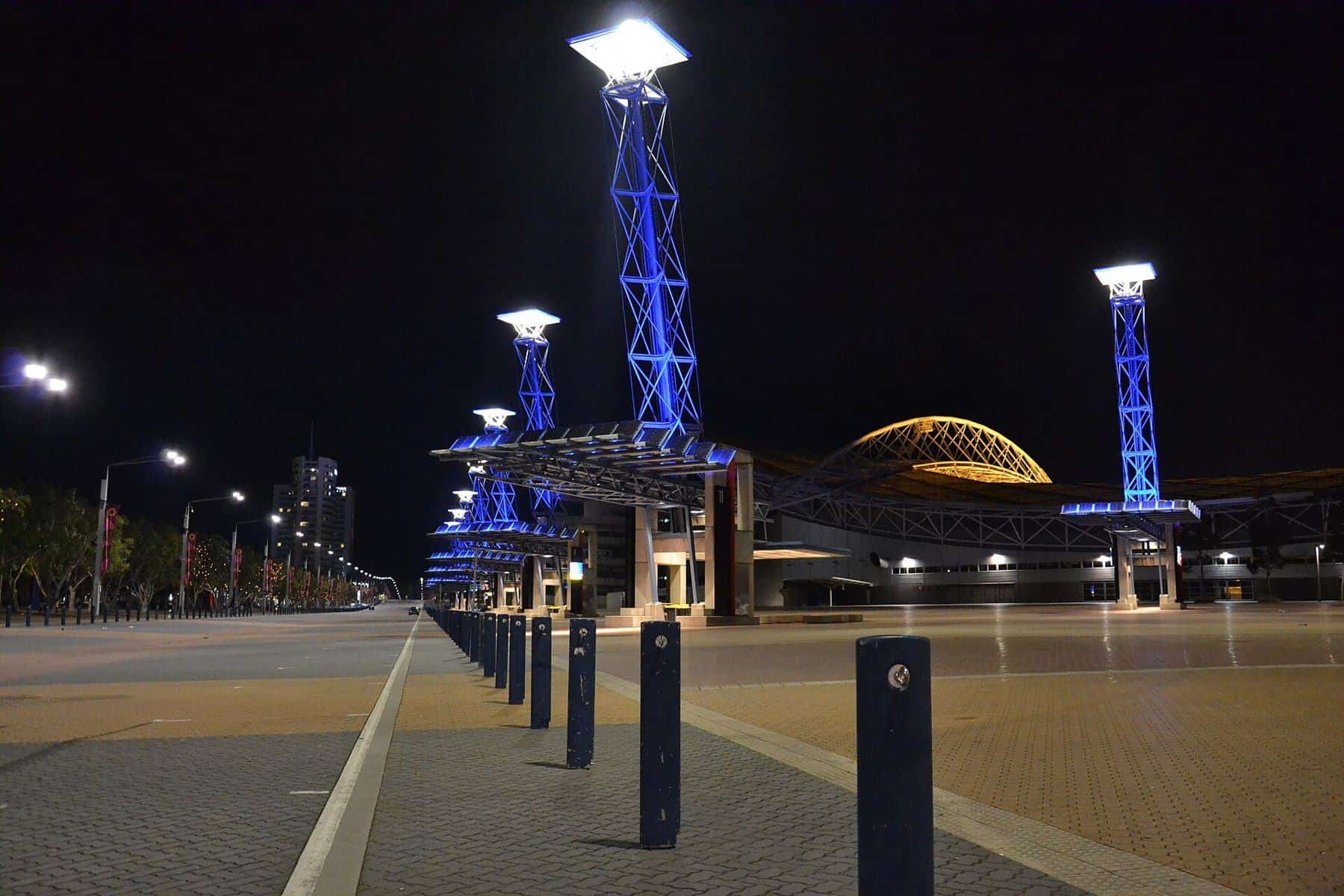
Sydney Olympic Park is about 13 kilometres west of the Sydney CBD. It is now a suburb with homes, offices and hotels, as well as stadiums, arenas and the Sydney Showground, home of the Sydney Royal Easter Show. Around the venues are extensive parklands and wetlands, with walking and cycling paths, birdwatching and the Brickpit Ring Walk.

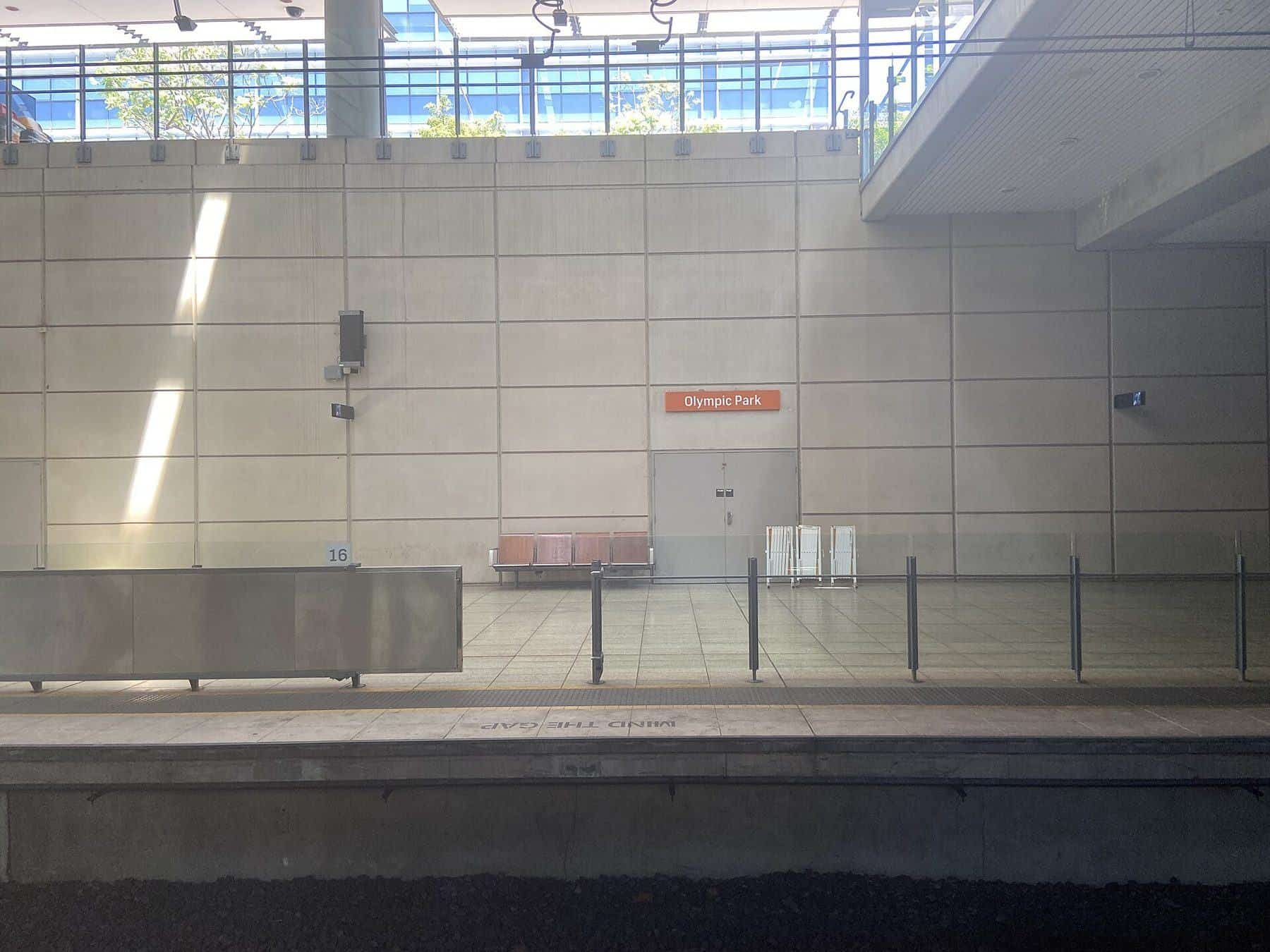
Getting there is easy by train, ferry, bus or car. Our visitor guide covers getting there, the parklands and accessibility.

Why the legacy matters

Sydney 2000 is often remembered as one of the most successful Games. Its legacy includes the remediated land at Homebush Bay, a public transport system designed for big crowds, venues still used by elite and community sport, and a sense among many Australians of what the country could achieve. With Brisbane due to host the 2032 Games, interest in Sydney's experience is growing again.

About Games Info

Read more about us and our editorial policy. If you have a correction, or a memory of the Games you would like to share, please get in touch.
In-depth guides

Guides

Frequently asked questions

When were the Sydney 2000 Olympic Games held?

The Games of the XXVII Olympiad were held in Sydney from 15 September to 1 October 2000. The Paralympic Games followed from 18 to 29 October 2000.

How many countries competed at Sydney 2000?

Teams from 199 countries took part in the Olympic Games. The Paralympic Games had a record 3,801 athletes from 123 National Paralympic Committees.

Who lit the cauldron at Sydney 2000?

Aboriginal athlete Cathy Freeman lit the cauldron at the opening ceremony. She went on to win the women's 400 metres at the Games.

Can you visit the Sydney 2000 venues?

Yes. Most of the main venues at Sydney Olympic Park are still used for sport, concerts and events, and the surrounding parklands are free to explore. See our visitor guide.

Is this the official Sydney 2000 site?

No. Games Info is an independent legacy guide and is not affiliated with any Olympic or Paralympic body or with the Sydney Olympic Park Authority.

Sources and further reading

Facts on this page were checked against these primary and official sources. Conditions change — confirm before you travel or buy.

  1. 2000 Summer Olympics — Wikipedia
  2. Sydney 2000 Olympic Games — International Olympic Committee
  3. 2000 Summer Paralympics — Wikipedia
  4. Sydney Olympic Park — Sydney Olympic Park Authority

Spotted something out of date?

Local knowledge keeps this guide useful. Send a correction, a tip or a question and we’ll check it against official sources.

Contact the editors