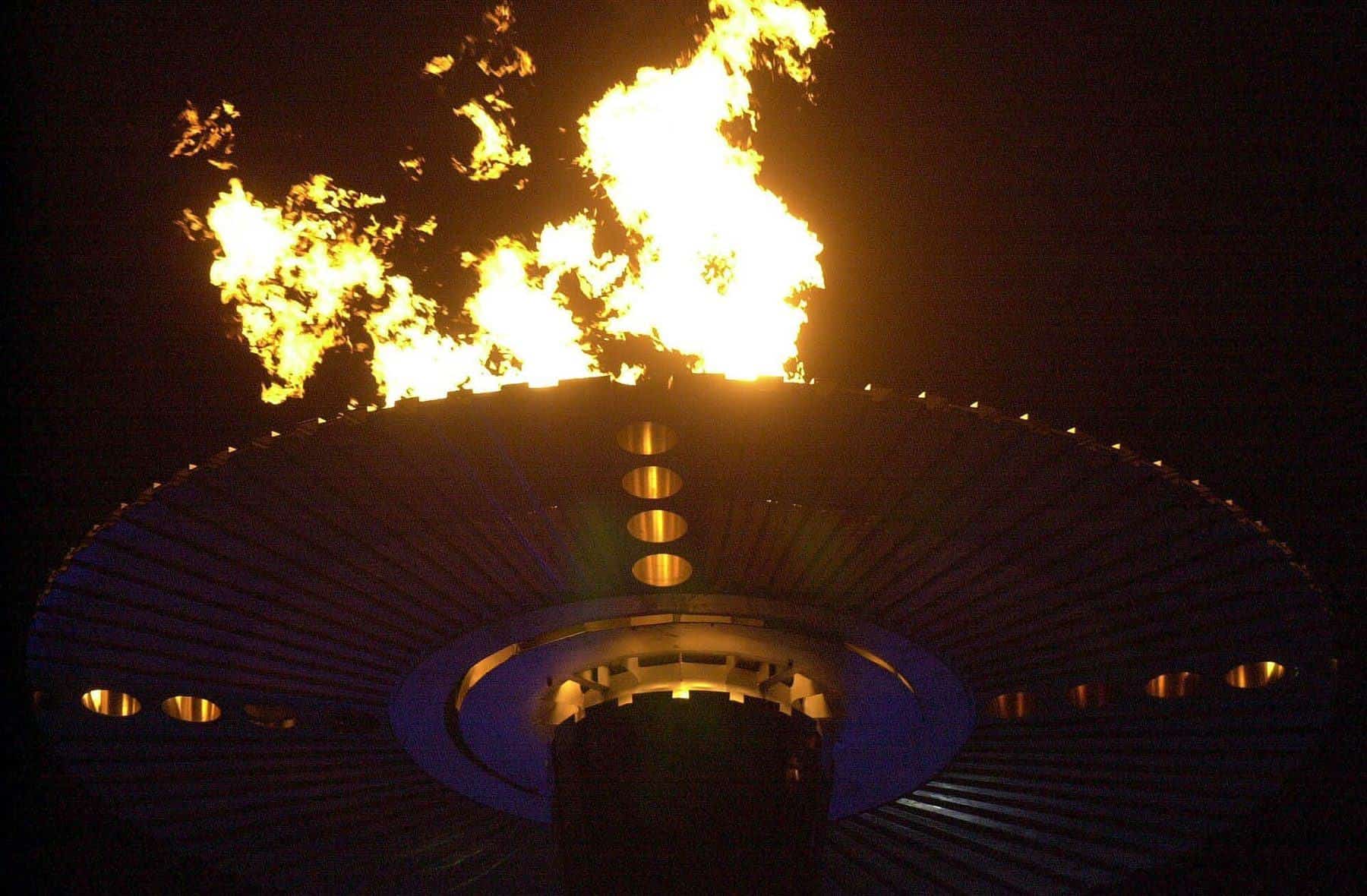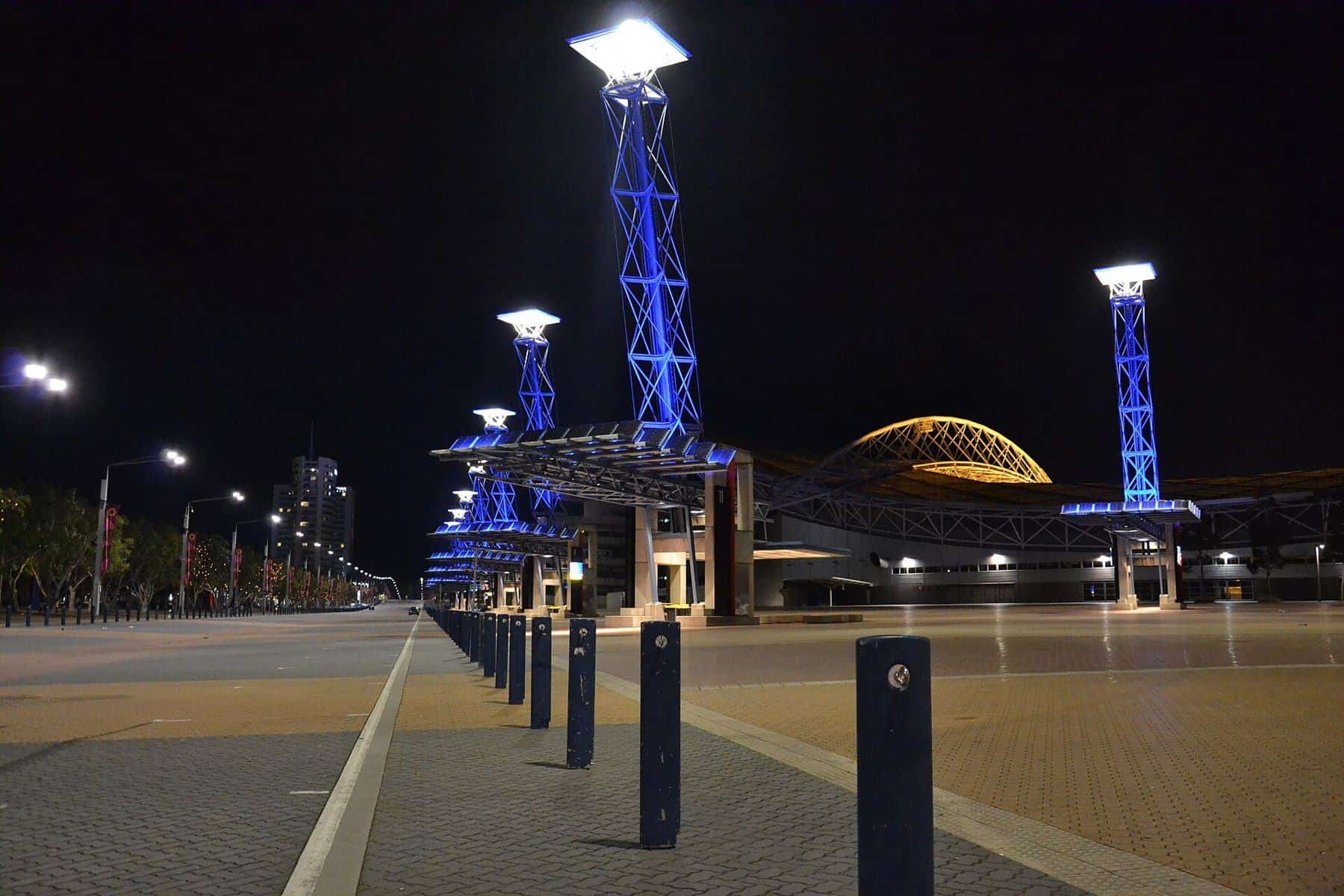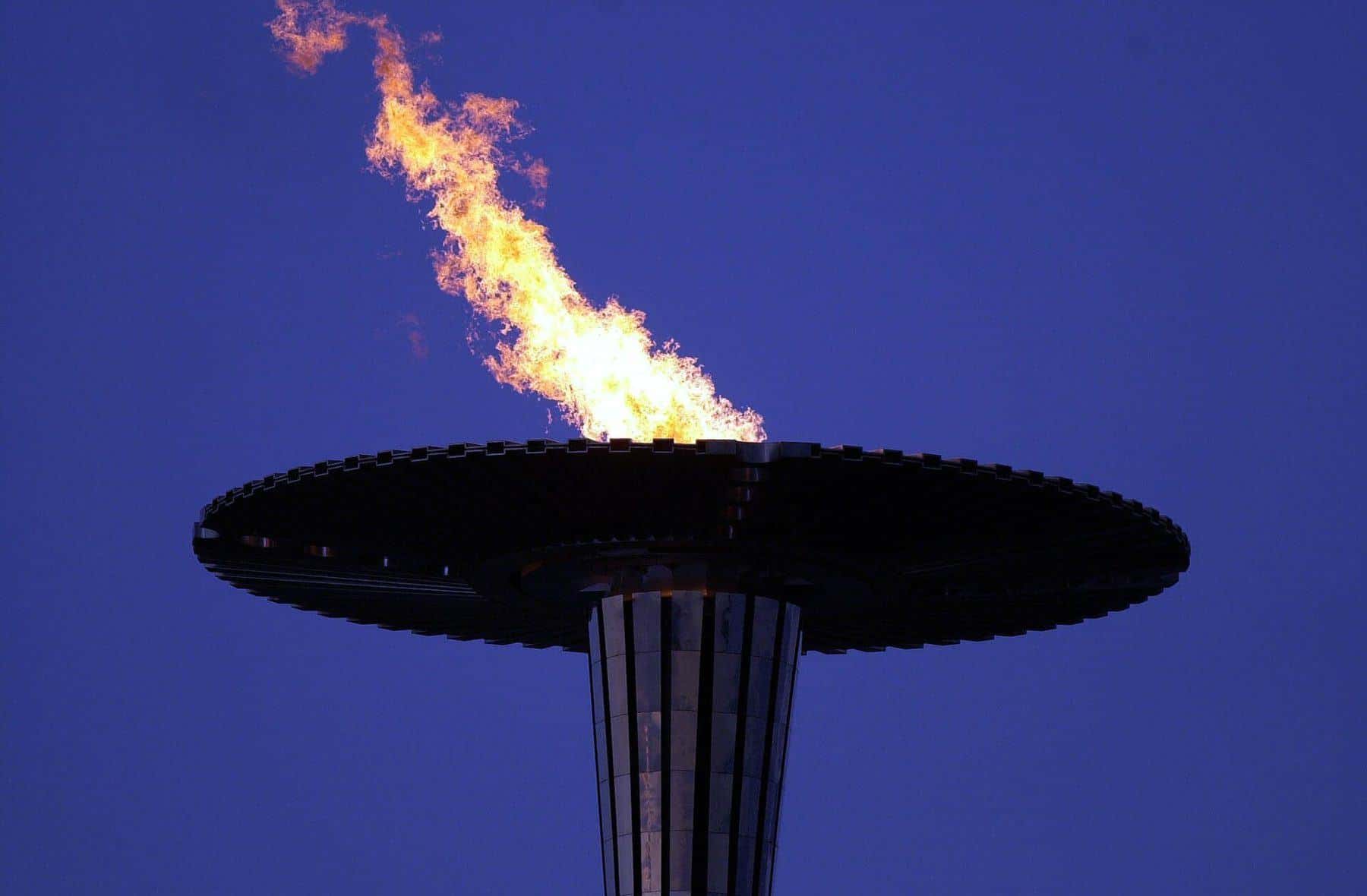
Two weeks after the Olympic flame went out, the cauldron at Stadium Australia was lit again. From 18 to 29 October 2000, Sydney hosted the XI Paralympic Games, the first held in Australia and in the Oceania region.
3,801
Athletes
A record at the time
123
Nations
National Paralympic Committees
551
Events
Across 19 sports
Lizzie
Mascot
A frill-necked lizard
Background
The Paralympic movement grew from sporting competitions for injured servicemen and women after the Second World War. By the 1990s, the Paralympic Games had become a major international event, organised by the International Paralympic Committee, founded in 1989.
Sydney bid separately for the Paralympic Games, and was the last host city to do so. After difficulties at the 1996 Atlanta Paralympics, the IOC began requiring Olympic bid cities to include plans for the Paralympics, and Sydney's organisers worked closely across both events.
The sports
The 19 sports included athletics, swimming, wheelchair basketball, wheelchair rugby, wheelchair tennis, cycling, equestrian, goalball, boccia, powerlifting, judo, sailing, shooting, archery, table tennis, volleyball, fencing, football and basketball for athletes with an intellectual disability. Wheelchair rugby, known in Australia for its physicality, became a full medal sport at Sydney 2000 after being a demonstration event in Atlanta.
The venues
Most events were held at Sydney Olympic Park, using venues including Stadium Australia, the Aquatic Centre, the SuperDome and the Showground. The concentration of venues, accessible transport and the Athletes Village made the Games easier for athletes and spectators to navigate. Explore the venues.
Crowds and atmosphere
The Sydney Paralympics drew large crowds, including many school groups, and enjoyed strong media coverage in Australia. For many Australians, it was the first time they had watched elite Paralympic sport in person, and it changed public perceptions of athletes with disability.
Australia's performance
As the host nation, Australia had a large team and finished near the top of the medal table. Many Australian athletes became household names, and the Games helped build public support for Paralympic sport in the years that followed.
The intellectual disability controversy
The Sydney Games are also remembered for a controversy. After the Games, it emerged that most members of the Spanish basketball team that won gold in the intellectual disability category did not have an intellectual disability. The team was stripped of its medals, and the IPC suspended events for athletes with an intellectual disability. They returned to the Paralympic program at London 2012, with stricter eligibility checks.
Accessibility legacy
Preparing for the Paralympics pushed accessibility improvements in Sydney, including step-free public transport at the Olympic Park, accessible venues and accessible accommodation. The old Gamesinfo archive included detailed accessibility guides and etiquette advice for meeting people with disability, reflecting how central accessibility was to the Games. Read our accessibility guide.
The legacy for Paralympic sport
Sydney 2000 is often credited with lifting the profile of Paralympic sport in Australia. It helped grow funding and media interest, and inspired a generation of Paralympians. Later Paralympic Games built on Sydney's model of close integration with the Olympics, which became standard practice from Beijing 2008 onwards.
Researching the Paralympic Games
Paralympics Australia, the International Paralympic Committee and the Australian Sports Commission publish historical information. The National Sports Museum at the MCG and state libraries hold collections and stories of Australian Paralympians.
Visiting Paralympic venues today
Many venues used in 2000 are still used for Paralympic and para sport, including the Aquatic Centre and the Athletic Centre at Sydney Olympic Park, which host state and national competitions. Check event calendars if you would like to watch para sport in person.
Brisbane 2032
Brisbane is due to host the Paralympic Games in 2032. Like Sydney, it will host the Olympic and Paralympic Games under a single organising committee. Sydney's experience in 2000 is often referenced in planning for accessible Games.
The athletes village
The Athletes Village at Newington, beside the Olympic Park, housed both Olympic and Paralympic athletes. It was designed with accessibility in mind, and after the Games it became the suburb of Newington. The village's step-free design and close proximity to the venues helped set expectations for later Paralympic Games.
Before you visit
If you plan to watch para sport at Sydney Olympic Park, check the event calendar and the venue's accessibility information. Many events welcome school groups and families, and some offer free entry for spectators.
Explore Paralympic history
0 of 4 done
Ticks are saved in this browser only.
Meeting Paralympians
Many Australian Paralympians from 2000 and later Games speak at schools and community events. Paralympics Australia and state sports institutes can point you towards speaker programs, para sport clubs and come-and-try days.
Frequently asked questions
Who lit the cauldron at the Sydney 2000 Paralympics?
Paralympian Louise Sauvage lit the cauldron at the Paralympic opening ceremony at Stadium Australia.
Where can I watch para sport in Sydney today?
Sydney Olympic Park venues, including the Aquatic Centre, Athletic Centre and State Sports Centre, regularly host para sport events. Check Paralympics Australia and the venues' calendars.
When were the Sydney 2000 Paralympics?
From 18 to 29 October 2000.
How many athletes competed?
A record 3,801 athletes from 123 National Paralympic Committees competed in 551 events across 19 sports.
What was the mascot of the Sydney 2000 Paralympics?
Lizzie, a frill-necked lizard.
Were the Paralympics held at the same venues as the Olympics?
Largely yes. Many Sydney Olympic Park venues, including Stadium Australia and the Aquatic Centre, were used for both.
Was Sydney the first city to host the Olympics and Paralympics together?
No. Sydney was the eighth city to host both, but it was one of the first to organise them in close conjunction.
Sources and further reading
Facts on this page were checked against these primary and official sources. Conditions change — confirm before you travel or buy.
- 2000 Summer Paralympics — Wikipedia
- Sydney 2000 Paralympic Games — International Paralympic Committee
- Paralympics Australia history — Paralympics Australia
- Australian Paralympic history — Australian Sports Commission