The Games of the XXVII Olympiad, branded Sydney 2000 and sometimes called the Games of the New Millennium, were held from 15 September to 1 October 2000. It was the second time the Summer Olympics had come to Australia, after Melbourne in 1956, and the first time an Australian Games was held entirely in the country, since Melbourne's equestrian events were held in Stockholm because of quarantine rules.
199
Countries
Teams that took part
300+
Events
First Games to reach 300
17 days
Duration
15 Sep to 1 Oct 2000
4th
Australia
On the medal table
The road to Sydney
Sydney's selection in September 1993 came after a long period of Australian bids. The vote went to four rounds, with Sydney beating Beijing by 45 votes to 43 in the final round. Berlin, Istanbul and Manchester were eliminated earlier. Seven years of preparation followed, including the remediation of Homebush Bay and construction of new venues, transport and housing for athletes.
The opening ceremony
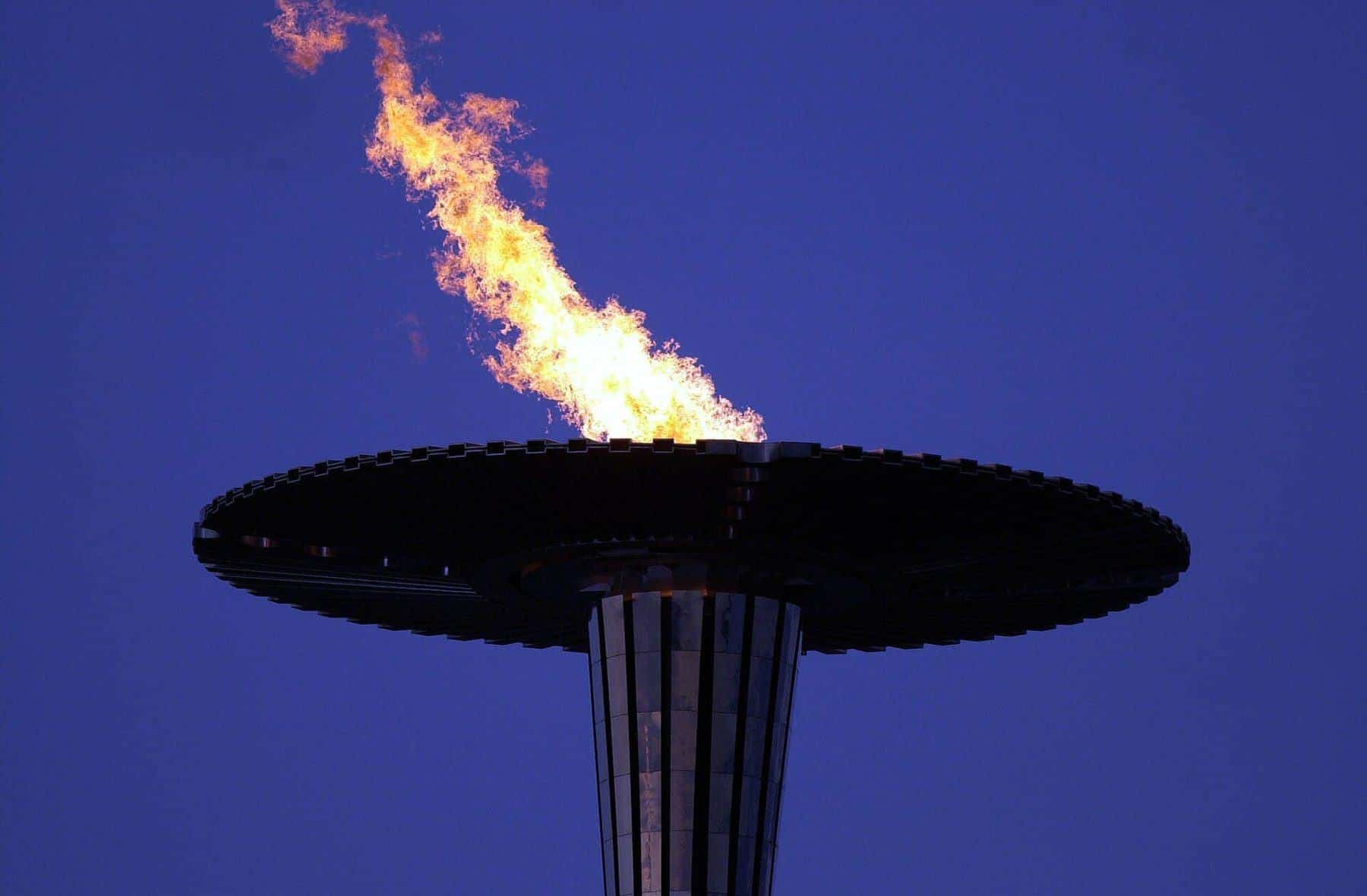
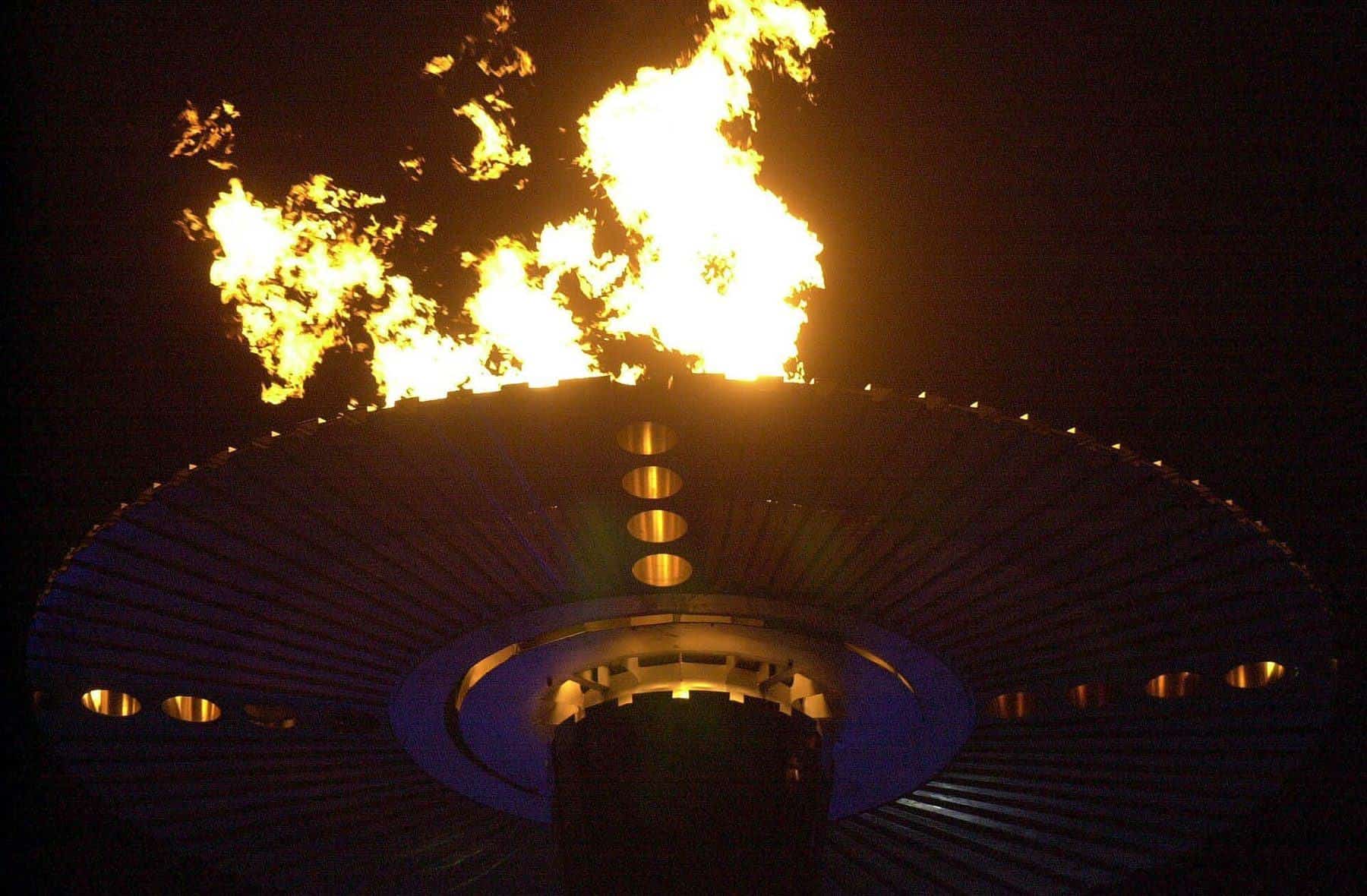
The opening ceremony at Stadium Australia on 15 September celebrated Australia's landscape, history and peoples, including a prominent role for Aboriginal and Torres Strait Islander culture. Its closing moment, when Cathy Freeman lit the cauldron, rising from a pool of water, became one of the defining images of the Games. The cauldron was later moved to a park near the stadium, now named Cathy Freeman Park.
The sport
The Sydney program featured 28 sports. Triathlon made its Olympic debut, starting at the Sydney Opera House, and taekwondo joined as a full medal sport. Trampoline was added to gymnastics. Women's events were added in several sports, including weightlifting and the modern pentathlon.
Athletics
Athletics was held at Stadium Australia before huge crowds. Cathy Freeman's victory in the women's 400 metres, in front of a home crowd of more than 110,000, is the most remembered moment of the Games for many Australians. The marathon course started in North Sydney and crossed the Harbour Bridge.
Swimming
The swimming at the Sydney International Aquatic Centre was dominated by the United States and Australia. Australian swimmers, including teenager Ian Thorpe, won several gold medals, and the men's 4x100 metres freestyle relay win over the United States was a famous night for the home crowd.
Team sports
Football was the only sport played outside Sydney, with preliminary matches in Melbourne, Brisbane, Canberra and Adelaide. The men's final was played at Stadium Australia and the women's final at the Sydney Football Stadium. Hockey, basketball, handball, water polo, volleyball, baseball and softball were played at venues across Sydney.
Around the city
Beach volleyball on Bondi Beach, rowing at Penrith, sailing on Sydney Harbour and road cycling through the eastern suburbs brought the Games to every part of the city.
The medal table
The United States topped the medal table, followed by Russia and China. Australia finished fourth, its best result at a Summer Games at that time. Several nations won their first gold medal, including Cameroon, Colombia, Latvia, Mozambique and Slovenia, while others won their first ever Olympic medal.
The volunteers
Tens of thousands of volunteers helped run the Games, from transport and venues to medical support and spectator services. Their friendliness was a recurring theme in international coverage. The volunteer program is often cited as one of the most lasting legacies of Sydney 2000, influencing how later events in Australia and overseas recruited and trained volunteers.
Getting around
Public transport was central to the Sydney plan. A new rail line and Olympic Park station carried huge crowds to the park, supported by buses and ferries. Event tickets included public transport. The old Gamesinfo site had a whole section on getting around, and our getting there guide explains how to reach the park today.
The closing ceremony
The Games closed at Stadium Australia on 1 October with a celebration of Australian popular culture. IOC President Juan Antonio Samaranch, presiding over his last Summer Games, praised the organisation of the Games in his closing speech.
How the Games were judged
International media coverage was overwhelmingly positive. Commentators praised the organisation, transport, venues, volunteers and the enthusiasm of the Australian public. The London 2012 organisers later said they had studied Sydney closely when preparing their own Games.
Not everything was perfect. The Games cost billions of dollars, and some studies have pointed to cost overruns. The use of the Olympic Park after the Games took time to develop. But the long-term outcome, including the remediated land, parklands and venues still in use, is widely seen as positive.
The Paralympic Games
The Olympics were followed by the Paralympic Games from 18 to 29 October, using many of the same venues. Read our guide to the Paralympic Games.
Exploring the history
The State Library of New South Wales, the National Library of Australia and the Powerhouse Museum hold collections relating to the Games, including photographs, uniforms, torches and memorabilia. The National Film and Sound Archive holds broadcast material. These are good places to start if you are researching Sydney 2000.
Explore the Olympic history
0 of 5 done
Ticks are saved in this browser only.
Venue explorer
Where was each sport held in 2000?
26 venues
Sydney Olympic Park
In 2000: Ceremonies, Athletics, Football
Today: Now known under naming rights as Accor Stadium. Reconfigured with a smaller capacity and used for rugby league, rugby union, football and concerts.
Sydney International Aquatic Centre
Sydney Olympic Park
In 2000: Swimming, Diving, Synchronised swimming, Water polo, Modern pentathlon
Today: Now Sydney Olympic Park Aquatic Centre, a public pool, school carnival and competition venue.
Sydney SuperDome
Sydney Olympic Park
In 2000: Basketball, Gymnastics
Today: Now an indoor arena known under naming rights as Qudos Bank Arena, used for concerts and events.
The Dome & Exhibition Complex
Sydney Olympic Park
In 2000: Badminton, Basketball, Gymnastics, Handball, Modern pentathlon, Volleyball
Today: Part of the Sydney Showground, used for exhibitions and the Sydney Royal Easter Show.
Sydney Baseball Stadium (Showground)
Sydney Olympic Park
In 2000: Baseball, Modern pentathlon
Today: The Showground stadium, used for AFL, cricket, events and the Easter Show.
Sydney Olympic Park Tennis Centre
Sydney Olympic Park
In 2000: Tennis
Today: Still a tennis venue, hosting professional events, community tennis and coaching.
Sydney Olympic Park Hockey Centre
Sydney Olympic Park
In 2000: Hockey
Today: Still a hockey venue for state, national and community competition.
State Sports Centre
Sydney Olympic Park
In 2000: Table tennis, Taekwondo
Today: An indoor multi-sport centre used for basketball, netball and other events.
Sydney International Archery Park
Sydney Olympic Park
In 2000: Archery
Today: Still used for archery, set within the Sydney Olympic Park parklands.
Sydney International Regatta Centre
Elsewhere in Sydney
In 2000: Rowing, Canoe sprint
Today: At Penrith, used for rowing and paddling regattas and as public parkland.
Penrith Whitewater Stadium
Elsewhere in Sydney
In 2000: Canoe slalom
Today: A whitewater course offering rafting and kayaking to the public.
Dunc Gray Velodrome
Elsewhere in Sydney
In 2000: Cycling
Today: An indoor velodrome at Bass Hill, used for track cycling.
Sydney International Equestrian Centre
Elsewhere in Sydney
In 2000: Equestrian
Today: At Horsley Park, used for equestrian events.
Sydney International Shooting Centre
Elsewhere in Sydney
In 2000: Shooting
Today: At Cecil Park, used for target shooting.
Blacktown Olympic Park
Elsewhere in Sydney
In 2000: Baseball, Softball
Today: A sports park used for cricket, baseball, softball and community sport.
Ryde Aquatic Leisure Centre
Elsewhere in Sydney
In 2000: Water polo
Today: A community aquatic and leisure centre.
Bondi Beach
Elsewhere in Sydney
In 2000: Beach volleyball
Today: A temporary stadium was built on the sand for the Games. Bondi remains one of Sydney's most famous beaches.
Sydney Opera House
Elsewhere in Sydney
In 2000: Triathlon
Today: The triathlon started and finished near the Opera House, which remains Sydney's great performing arts centre.
Centennial Parklands
Elsewhere in Sydney
In 2000: Cycling
Today: The road cycling course used the park and nearby streets. The park is now popular for cycling and walking.
Western Sydney Parklands
Elsewhere in Sydney
In 2000: Cycling
Today: The mountain bike course was in the parklands, which are now open for walking, cycling and recreation.
Sydney Convention & Exhibition Centre
Elsewhere in Sydney
In 2000: Boxing, Fencing, Judo, Weightlifting, Wrestling
Today: Demolished and replaced by the International Convention Centre (ICC Sydney) at Darling Harbour.
Sydney Entertainment Centre
Elsewhere in Sydney
In 2000: Volleyball
Today: Demolished; the site in Haymarket has been redeveloped.
Sydney Football Stadium
Elsewhere in Sydney
In 2000: Football
Today: The 1988 stadium was demolished and replaced by a new stadium on the same site at Moore Park.
Melbourne Cricket Ground
Outside Sydney
In 2000: Football
Today: Still Melbourne's great stadium, home of AFL and Test cricket.
The Gabba
Outside Sydney
In 2000: Football
Today: Brisbane's cricket and AFL ground.
Bruce Stadium
Outside Sydney
In 2000: Football
Today: Now known as Canberra Stadium, used for rugby league and rugby union.
Based on the published list of Sydney 2000 Olympic venues. Venue names, uses and access change; check with the venue before visiting.
Frequently asked questions
What were the dates of the Sydney 2000 Olympics?
15 September to 1 October 2000.
Which sports made their Olympic debut in Sydney?
Triathlon and taekwondo made their debuts as full medal sports at Sydney 2000, and trampoline was added to the gymnastics program.
Who topped the medal table?
The United States, followed by Russia and China. Australia finished fourth.
Where were the opening and closing ceremonies held?
At Stadium Australia, at Sydney Olympic Park.
Who was IOC President during Sydney 2000?
Juan Antonio Samaranch. Sydney 2000 was the last Summer Games of his presidency.
How were the Sydney Games received?
They were widely praised in the international media for their organisation, volunteers, venues and atmosphere, and later Games organisers often cited Sydney as a benchmark.
Sources and further reading
Facts on this page were checked against these primary and official sources. Conditions change — confirm before you travel or buy.
- 2000 Summer Olympics — Wikipedia
- Sydney 2000 — International Olympic Committee
- Sydney 2000 Olympic Games — Australian Olympic Committee
- Sydney 2000 collection — State Library of New South Wales
- Powerhouse collection, Sydney 2000 — Powerhouse