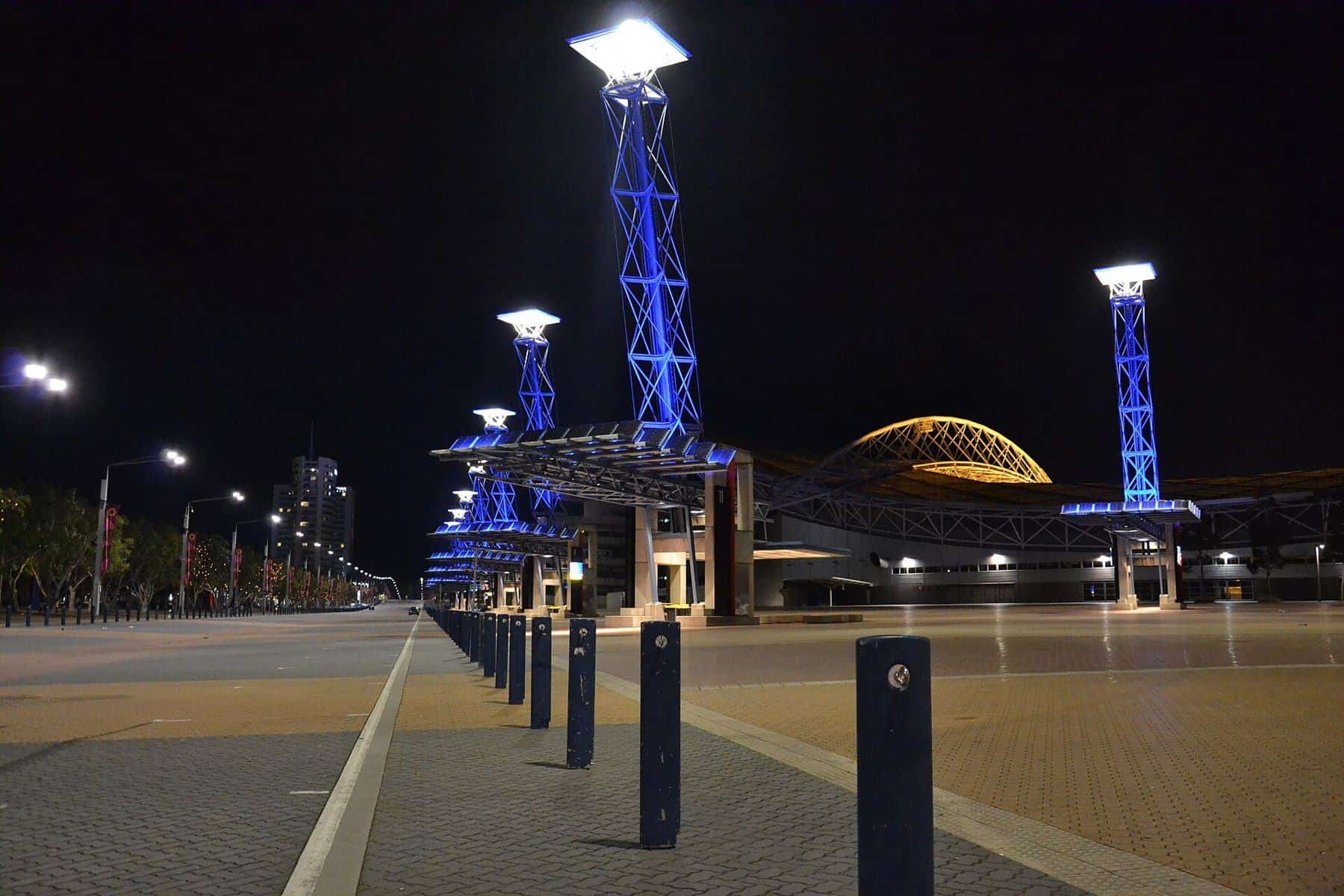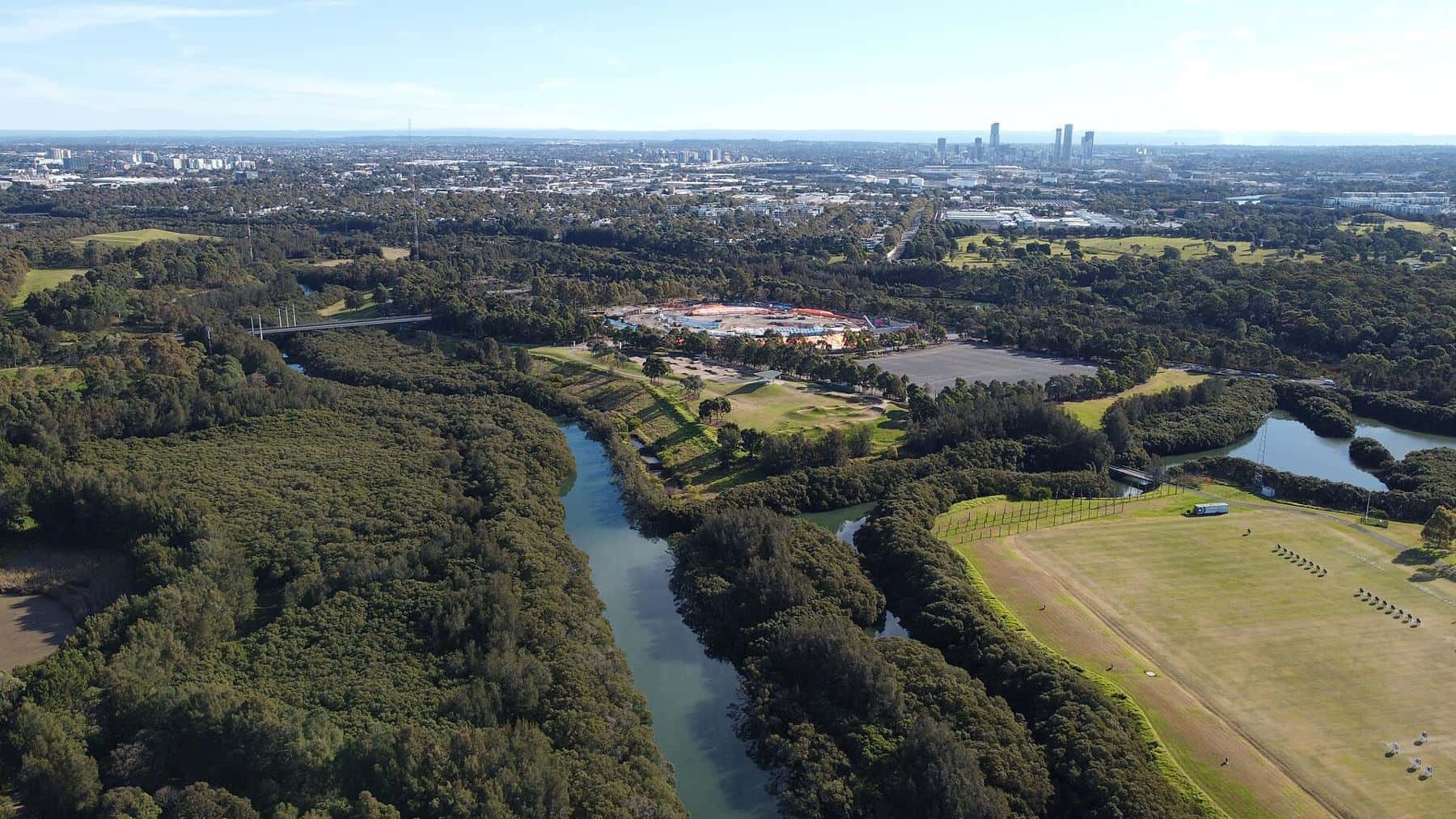
Many visitors come for a match or concert and never discover that Sydney Olympic Park includes a large network of parklands, wetlands, woodlands and waterways along the Parramatta River. They are free to explore, and on most days far quieter than the venues.
From industry to parkland
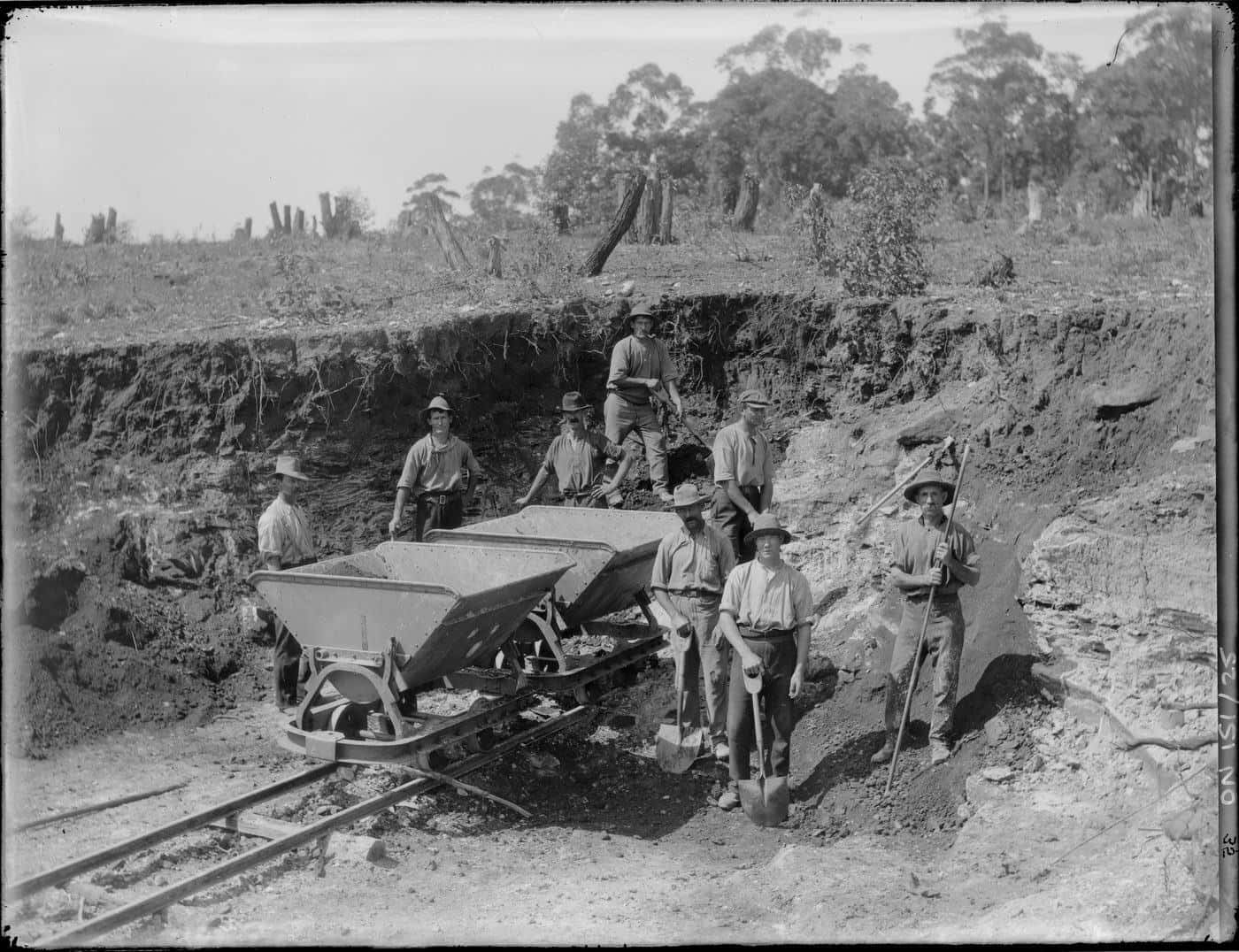
Before the Games, much of the area was industrial land, with brickworks, an abattoir, a naval armaments depot and landfill. Before European settlement, it was part of the lands of the Wanngal people, and the Darug language group, who lived along the Parramatta River. Preparing for the Games involved large-scale remediation of contaminated land and the restoration of wetlands and mangroves. The result is a landscape that tells a story of change.
Bicentennial Park
Opened in 1988 for Australia's bicentenary, Bicentennial Park predates the Games. It has wide lawns, picnic areas, barbecues, a lake, playgrounds and boardwalks through the mangroves to Homebush Bay. The Treillage Tower lookout has views over the wetlands.
The Millennium Parklands
The Millennium Parklands surround the venues, with open lawns, hills built from remediated landfill, woodlands and wetlands. Shared paths link them with the river foreshore.
The Brickpit Ring Walk
The Brickpit is a former quarry that supplied clay for the State Brickworks. After the brickworks closed, ponds in the pit became home to the threatened green and golden bell frog, and the site was protected when the frog was found during Games planning. The Brickpit Ring Walk, an elevated circular walkway, lets you look down into the pit and learn about its history and wildlife without disturbing the habitat.
Wetlands and birdwatching
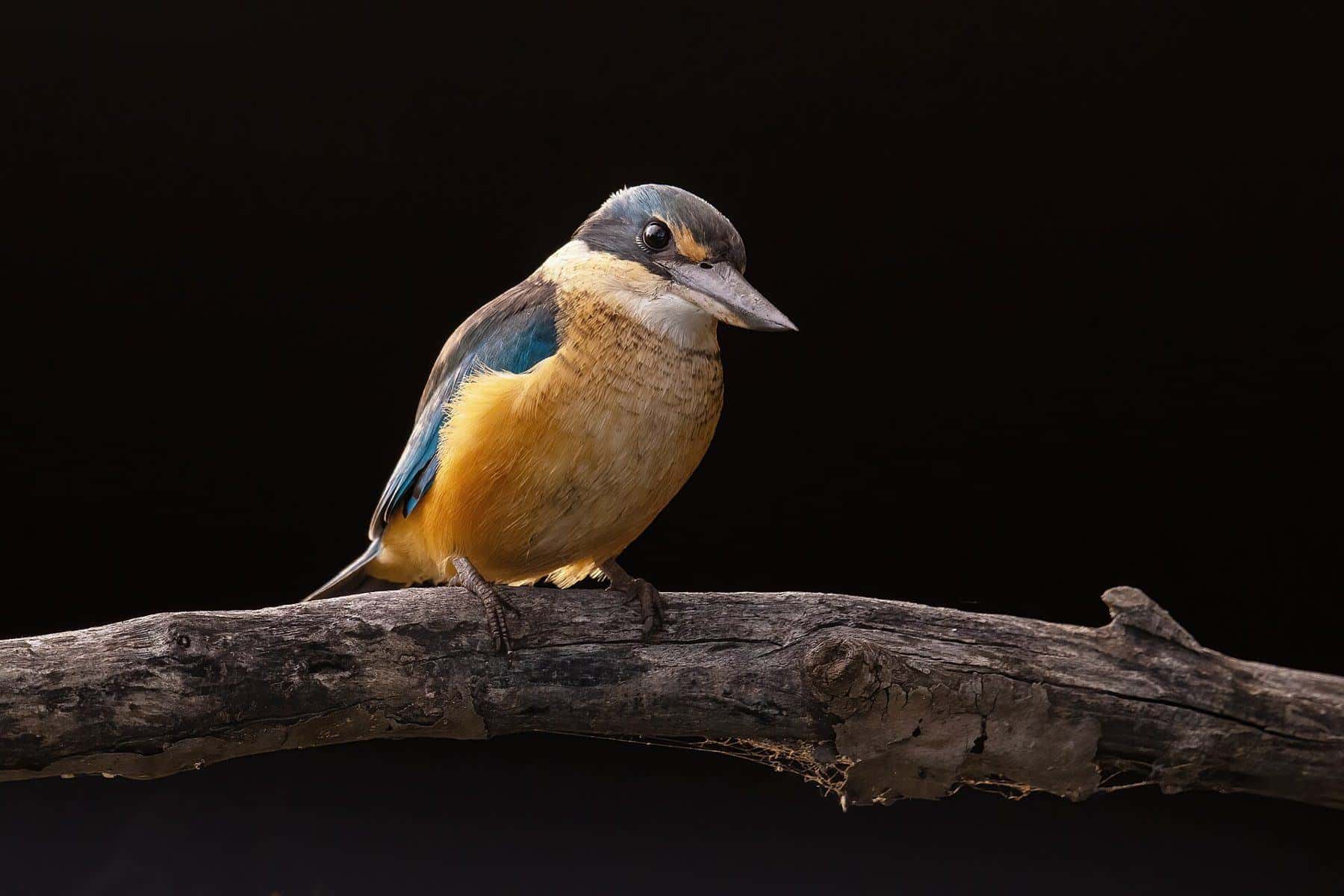
The wetlands are among the park's richest wildlife habitats. Birdwatchers can see waterbirds such as egrets, cormorants, ducks and herons, bush birds such as kingfishers and fairy-wrens and, in the warmer months, migratory shorebirds that fly from the Northern Hemisphere. Bird hides and boardwalks help you get close.
Walking and cycling
The park has an extensive network of shared paths for walking, running and cycling. Popular options include:
- A loop around Bicentennial Park and the mangrove boardwalks.
- The Parramatta River foreshore, towards Wentworth Point and the ferry wharf.
- A ride through the Millennium Parklands to the Brickpit.
Picnics and play
Picnic shelters, barbecues and playgrounds are spread through the parklands, including large adventure playgrounds popular with families. Some shelters can be booked for groups.
Guided activities
The park authority runs education programs and guided activities at times, including nature walks and school programs. Check the official website for what is on.
Tips for visiting
- Bring water and sun protection, as shade is limited in places.
- Wear comfortable shoes for boardwalks and trails.
- Keep to paths, especially near sensitive habitats.
- Dogs are allowed in some areas on a lead. Check the rules.
- Visit early or late in the day for the best birdwatching.
Parklands day out
0 of 5 done
Ticks are saved in this browser only.
Getting there
The parklands are easy to reach from Olympic Park station and the ferry wharf. Car parks are available near Bicentennial Park. Read getting there.
Combining with the Games legacy
A walk through the parklands combines well with a stroll down Olympic Boulevard to see the stadium, the cauldron in Cathy Freeman Park and the Aquatic Centre. It is a full day that tells the story of the site from industry, to the Games, to a place where Sydney now comes to play.
Wildlife to look out for
As well as birds and the bell frog, the parklands support microbats, reptiles such as lizards and turtles, and a range of insects and fish in the wetlands and mangroves. The Parramatta River and Homebush Bay mudflats are important feeding areas. Take your rubbish with you, keep dogs on a lead where required and never feed wildlife.
Seasons in the park
Spring brings wildflowers and nesting birds. Summer is hot, so walk early or late. Autumn is mild and often the most pleasant time for long walks and cycles. Winter mornings can be crisp and clear, and it is a good season for spotting resident waterbirds.
Before you go
Check the park authority's website for path closures, habitat works or events that may affect access. Some areas close temporarily for maintenance, wildlife breeding seasons or major events.
Frequently asked questions
Are dogs allowed in the parklands?
Dogs are allowed on a lead in many areas of the parklands, but not in some sensitive wildlife habitats. Follow local signs and the park authority's rules.
Are there toilets and water in the parklands?
Yes, toilets, drinking fountains and picnic facilities are located around the parklands, especially in Bicentennial Park and near playgrounds.
Are the Sydney Olympic Park parklands free?
Yes. The parklands are free to enter and open daily. Some activities and facility bookings have fees.
What is the Brickpit Ring Walk?
An elevated walkway around an old brick quarry, which is now habitat for the threatened green and golden bell frog. It has displays on the site's history.
Can I cycle in the parklands?
Yes. There are many kilometres of shared paths, and bike hire has been available at times.
What birds can I see at Sydney Olympic Park?
The wetlands attract many waterbirds and bush birds, including kingfishers, cormorants, ducks and, seasonally, migratory shorebirds.
Is Bicentennial Park part of Sydney Olympic Park?
Yes. Bicentennial Park opened in 1988 and is part of the Sydney Olympic Park parklands.
Sources and further reading
Facts on this page were checked against these primary and official sources. Conditions change — confirm before you travel or buy.
- Parklands — Sydney Olympic Park Authority
- Green and golden bell frog — NSW Department of Climate Change, Energy, the Environment and Water
- Sydney Olympic Park — Wikipedia
- Birdlife Australia — BirdLife Australia