The Sydney 2000 Games were the culmination of decades of Australian Olympic ambition. After Melbourne hosted in 1956, Australian cities bid repeatedly: Brisbane for 1992 and Melbourne for 1996. Sydney's bid for 2000 finally succeeded.
Winning the bid
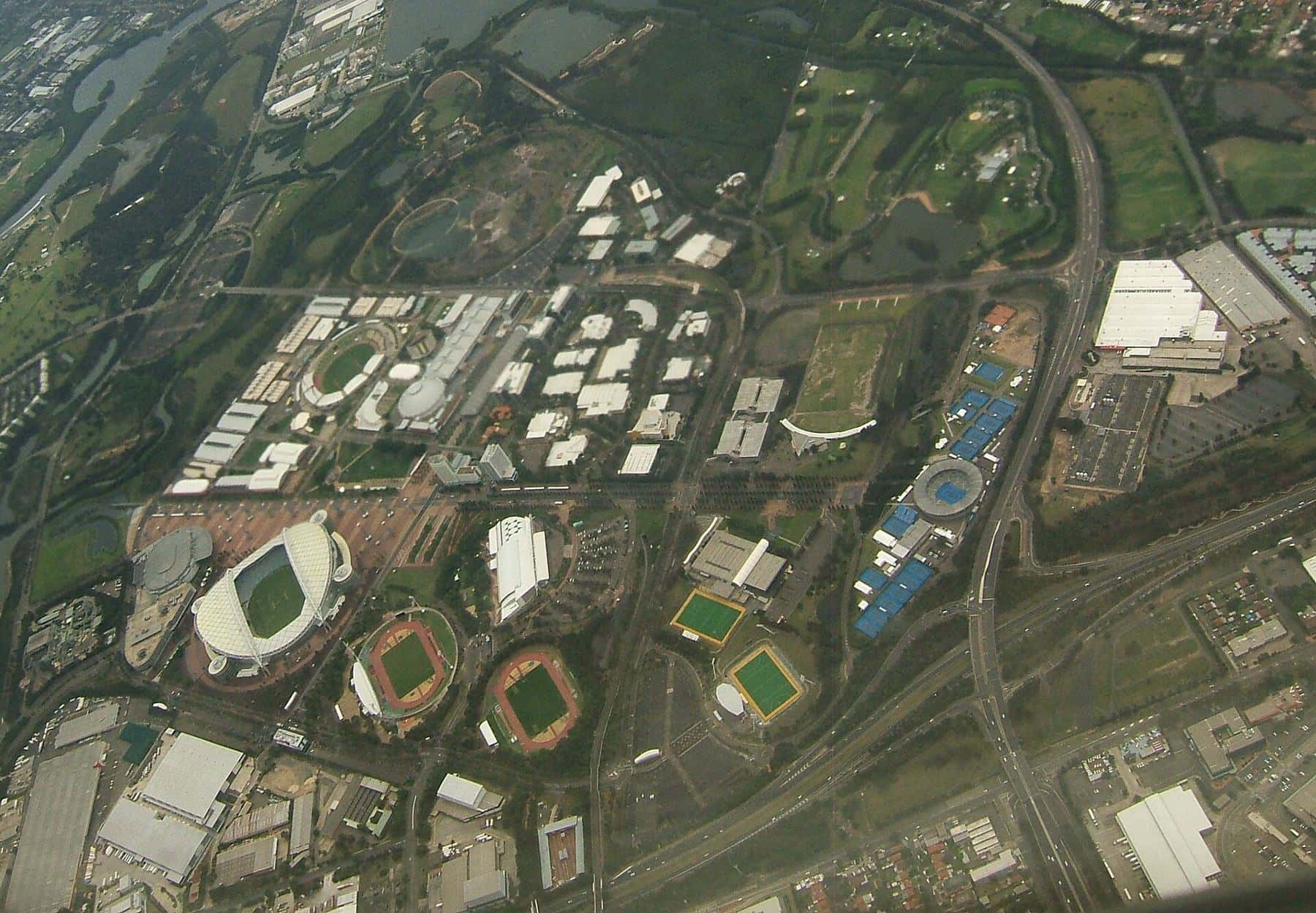
Sydney's bid centred on Homebush Bay, a large area of former industrial land in the geographic heart of the city. The plan promised compact venues, good public transport and a strong environmental focus. In September 1993, at the IOC session in Monte Carlo, Sydney won in the fourth round of voting, beating Beijing by just two votes. Berlin, Istanbul and Manchester had been eliminated in earlier rounds.
Transforming Homebush Bay
The Olympic site had a long industrial history: brickworks, a state abattoir, a naval armaments depot and waste dumping had all left their mark. Before European settlement it was part of the lands of the Wanngal people. Preparing the site involved large-scale remediation of contaminated land, followed by construction of the new venues, the rail line and the parklands. Some facilities, such as the State Sports Centre and Bicentennial Park, already existed. The Aquatic Centre and Athletic Centre opened in 1994, and Stadium Australia in 1999.
The Olympic Games
The Games of the XXVII Olympiad ran from 15 September to 1 October 2000. Teams from 199 countries competed in a program that, for the first time, reached at least 300 events. Triathlon and taekwondo made their Olympic debuts. The United States led the medal table, followed by Russia, China and the host nation, Australia. Several countries won their first ever Olympic gold or first ever medal.
Highlights included Cathy Freeman's 400 metres win, the swimming at the Aquatic Centre and huge crowds at Stadium Australia, which held more than 110,000 spectators in its original Olympic layout. The Games were widely praised internationally for their organisation, volunteers and atmosphere. Read the Olympic Games.
The Paralympic Games
From 18 to 29 October 2000, Sydney hosted the XI Paralympic Games, the first held in Australia. A record 3,801 athletes from 123 National Paralympic Committees competed in 551 events across 19 sports. Read the Paralympic Games.
The torch relay
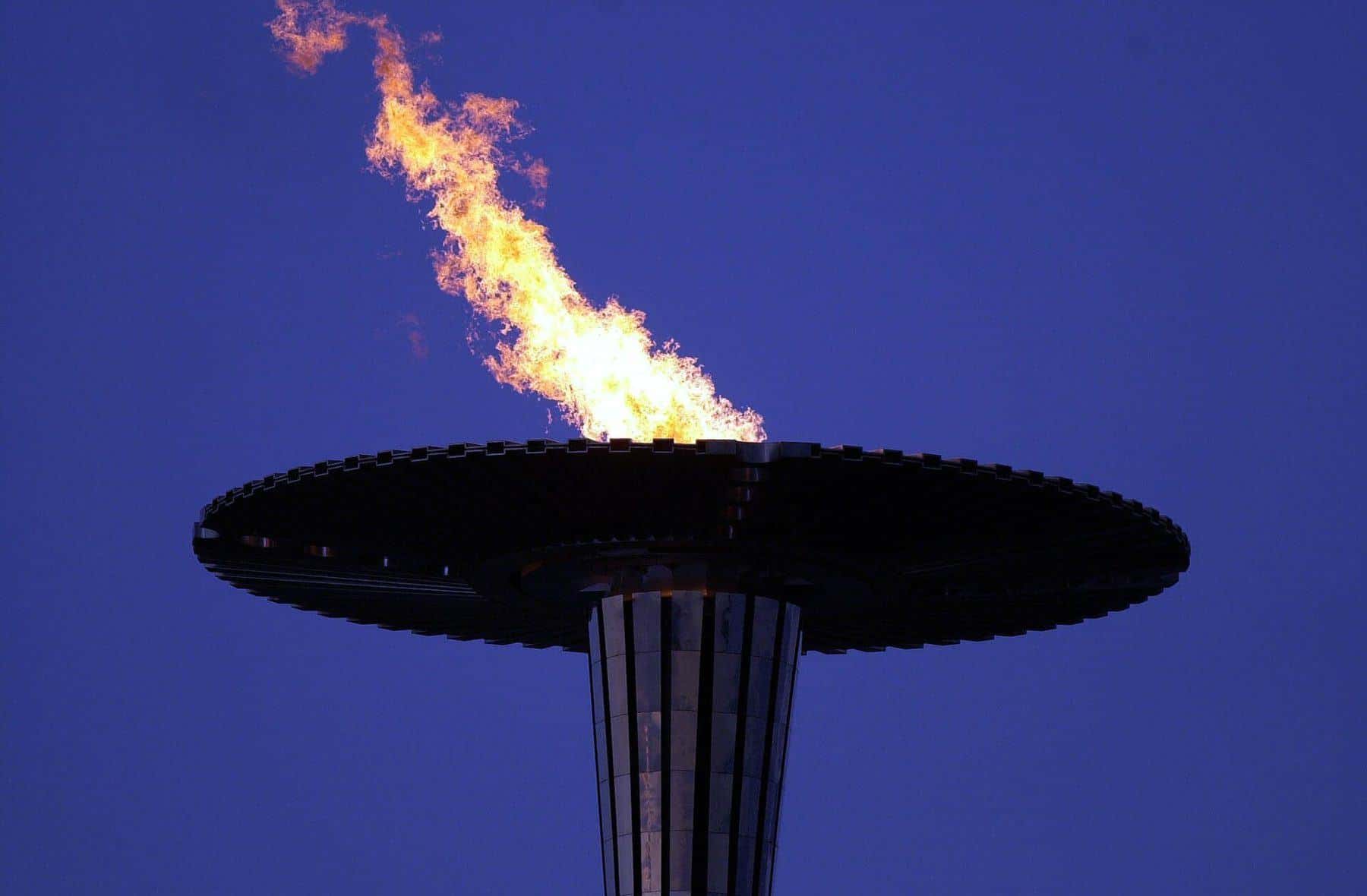
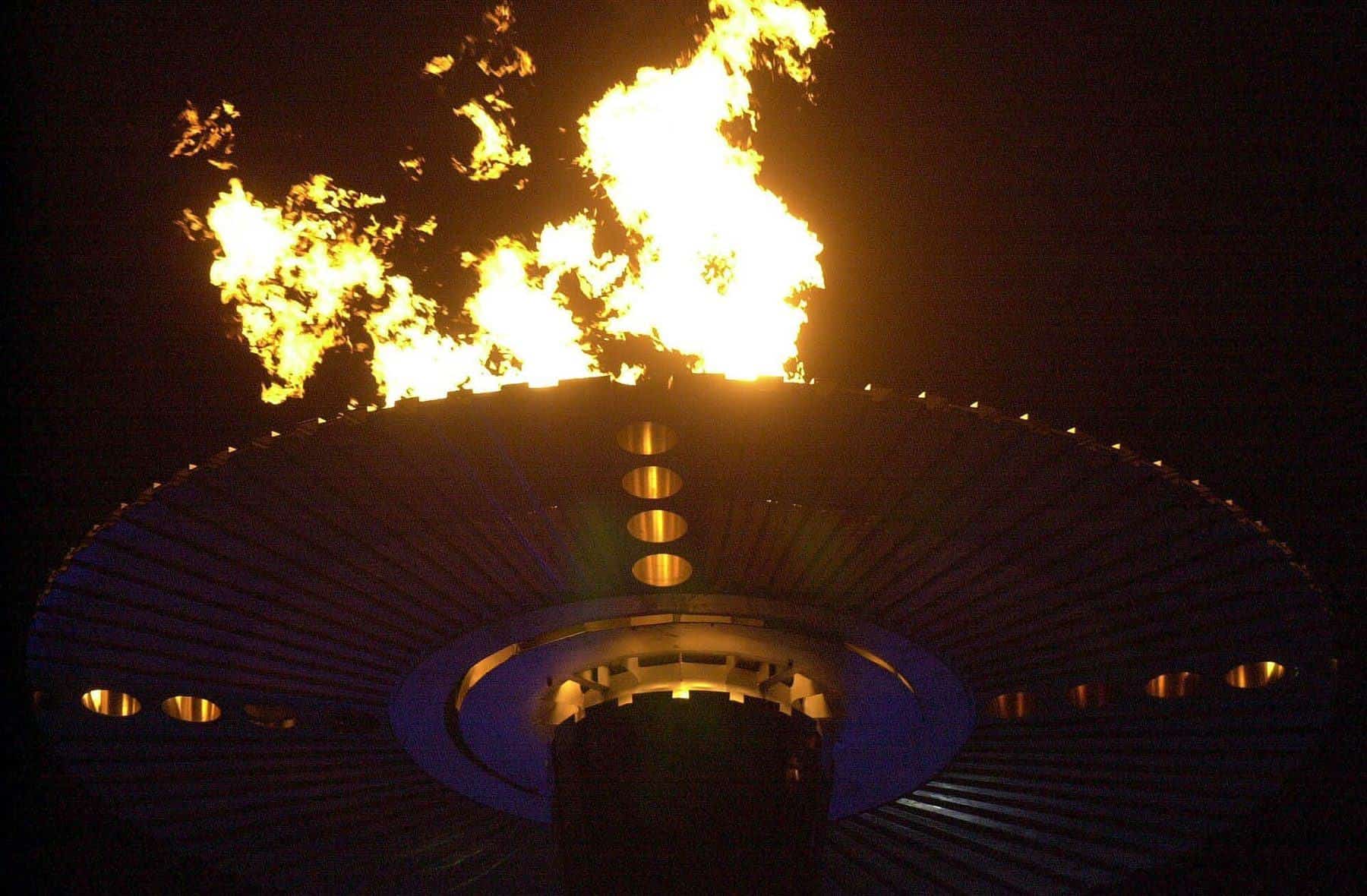
The Olympic flame was lit in Olympia, Greece, then travelled through Oceania before a long journey around Australia, carried by about 11,000 torchbearers within the country. Read the torch relay.
The legacy
The legacy of Sydney 2000 is visible every day: the venues of Sydney Olympic Park, the rail line and station, the parklands built on remediated land, and the many sports facilities still used across the city. It also lives on in the volunteering culture the Games helped build. Explore the venues or plan a visit to the park.
Remembering the Games
The original Gamesinfo archive on this domain preserved the public information sites from the Games, including an A–Z of Australia for visitors, guides to each sport and venue, and advice on getting around and accessibility. Many of those themes live on in this guide.
Venue explorer
Where was each sport held in 2000?
26 venues
Sydney Olympic Park
In 2000: Ceremonies, Athletics, Football
Today: Now known under naming rights as Accor Stadium. Reconfigured with a smaller capacity and used for rugby league, rugby union, football and concerts.
Sydney International Aquatic Centre
Sydney Olympic Park
In 2000: Swimming, Diving, Synchronised swimming, Water polo, Modern pentathlon
Today: Now Sydney Olympic Park Aquatic Centre, a public pool, school carnival and competition venue.
Sydney SuperDome
Sydney Olympic Park
In 2000: Basketball, Gymnastics
Today: Now an indoor arena known under naming rights as Qudos Bank Arena, used for concerts and events.
The Dome & Exhibition Complex
Sydney Olympic Park
In 2000: Badminton, Basketball, Gymnastics, Handball, Modern pentathlon, Volleyball
Today: Part of the Sydney Showground, used for exhibitions and the Sydney Royal Easter Show.
Sydney Baseball Stadium (Showground)
Sydney Olympic Park
In 2000: Baseball, Modern pentathlon
Today: The Showground stadium, used for AFL, cricket, events and the Easter Show.
Sydney Olympic Park Tennis Centre
Sydney Olympic Park
In 2000: Tennis
Today: Still a tennis venue, hosting professional events, community tennis and coaching.
Sydney Olympic Park Hockey Centre
Sydney Olympic Park
In 2000: Hockey
Today: Still a hockey venue for state, national and community competition.
State Sports Centre
Sydney Olympic Park
In 2000: Table tennis, Taekwondo
Today: An indoor multi-sport centre used for basketball, netball and other events.
Sydney International Archery Park
Sydney Olympic Park
In 2000: Archery
Today: Still used for archery, set within the Sydney Olympic Park parklands.
Sydney International Regatta Centre
Elsewhere in Sydney
In 2000: Rowing, Canoe sprint
Today: At Penrith, used for rowing and paddling regattas and as public parkland.
Penrith Whitewater Stadium
Elsewhere in Sydney
In 2000: Canoe slalom
Today: A whitewater course offering rafting and kayaking to the public.
Dunc Gray Velodrome
Elsewhere in Sydney
In 2000: Cycling
Today: An indoor velodrome at Bass Hill, used for track cycling.
Sydney International Equestrian Centre
Elsewhere in Sydney
In 2000: Equestrian
Today: At Horsley Park, used for equestrian events.
Sydney International Shooting Centre
Elsewhere in Sydney
In 2000: Shooting
Today: At Cecil Park, used for target shooting.
Blacktown Olympic Park
Elsewhere in Sydney
In 2000: Baseball, Softball
Today: A sports park used for cricket, baseball, softball and community sport.
Ryde Aquatic Leisure Centre
Elsewhere in Sydney
In 2000: Water polo
Today: A community aquatic and leisure centre.
Bondi Beach
Elsewhere in Sydney
In 2000: Beach volleyball
Today: A temporary stadium was built on the sand for the Games. Bondi remains one of Sydney's most famous beaches.
Sydney Opera House
Elsewhere in Sydney
In 2000: Triathlon
Today: The triathlon started and finished near the Opera House, which remains Sydney's great performing arts centre.
Centennial Parklands
Elsewhere in Sydney
In 2000: Cycling
Today: The road cycling course used the park and nearby streets. The park is now popular for cycling and walking.
Western Sydney Parklands
Elsewhere in Sydney
In 2000: Cycling
Today: The mountain bike course was in the parklands, which are now open for walking, cycling and recreation.
Sydney Convention & Exhibition Centre
Elsewhere in Sydney
In 2000: Boxing, Fencing, Judo, Weightlifting, Wrestling
Today: Demolished and replaced by the International Convention Centre (ICC Sydney) at Darling Harbour.
Sydney Entertainment Centre
Elsewhere in Sydney
In 2000: Volleyball
Today: Demolished; the site in Haymarket has been redeveloped.
Sydney Football Stadium
Elsewhere in Sydney
In 2000: Football
Today: The 1988 stadium was demolished and replaced by a new stadium on the same site at Moore Park.
Melbourne Cricket Ground
Outside Sydney
In 2000: Football
Today: Still Melbourne's great stadium, home of AFL and Test cricket.
The Gabba
Outside Sydney
In 2000: Football
Today: Brisbane's cricket and AFL ground.
Bruce Stadium
Outside Sydney
In 2000: Football
Today: Now known as Canberra Stadium, used for rugby league and rugby union.
Based on the published list of Sydney 2000 Olympic venues. Venue names, uses and access change; check with the venue before visiting.
Guides in this section
Sydney 2000
The Sydney 2000 Olympic Games
A guide to the Sydney 2000 Olympics: the dates, the bid, the opening ceremony, Cathy Freeman, the swimming, new sports, and the medal table.
Read · 4 min
Sydney 2000
The Sydney 2000 Paralympic Games
The Sydney 2000 Paralympics: 18 to 29 October 2000, a record 3,801 athletes from 123 nations in 19 sports, the first Paralympics in Australia.
Read · 3 min
Sydney 2000
The Sydney 2000 torch relay
The Sydney 2000 torch relay: from Olympia through Oceania and around Australia, the torch design and the underwater leg on the Great Barrier Reef.
Read · 3 min
Frequently asked questions
Who did Sydney beat to host the 2000 Olympics?
Sydney was chosen over Beijing, Berlin, Istanbul and Manchester. In the final round of voting it beat Beijing by 45 votes to 43.
Where did Australia finish on the Sydney 2000 medal table?
The host nation finished fourth on the Olympic medal table, behind the United States, Russia and China.
What were the Sydney 2000 mascots?
The Olympic mascots were Syd the platypus, Olly the kookaburra and Millie the echidna. The Paralympic mascot was Lizzie the frill-necked lizard.
How many times has Australia hosted the Summer Olympics?
Twice so far, in Melbourne in 1956 and Sydney in 2000. Brisbane is due to host in 2032.
Were all Sydney 2000 events held in Sydney?
Most were, but the preliminary rounds of the football tournament were also played in Melbourne, Brisbane, Canberra and Adelaide.
Sources and further reading
Facts on this page were checked against these primary and official sources. Conditions change — confirm before you travel or buy.
- 2000 Summer Olympics — Wikipedia
- Sydney 2000 — International Olympic Committee
- Venues of the 2000 Summer Olympics — Wikipedia
- History of Sydney Olympic Park — Sydney Olympic Park Authority
- Sydney 2000 Paralympic Games — International Paralympic Committee