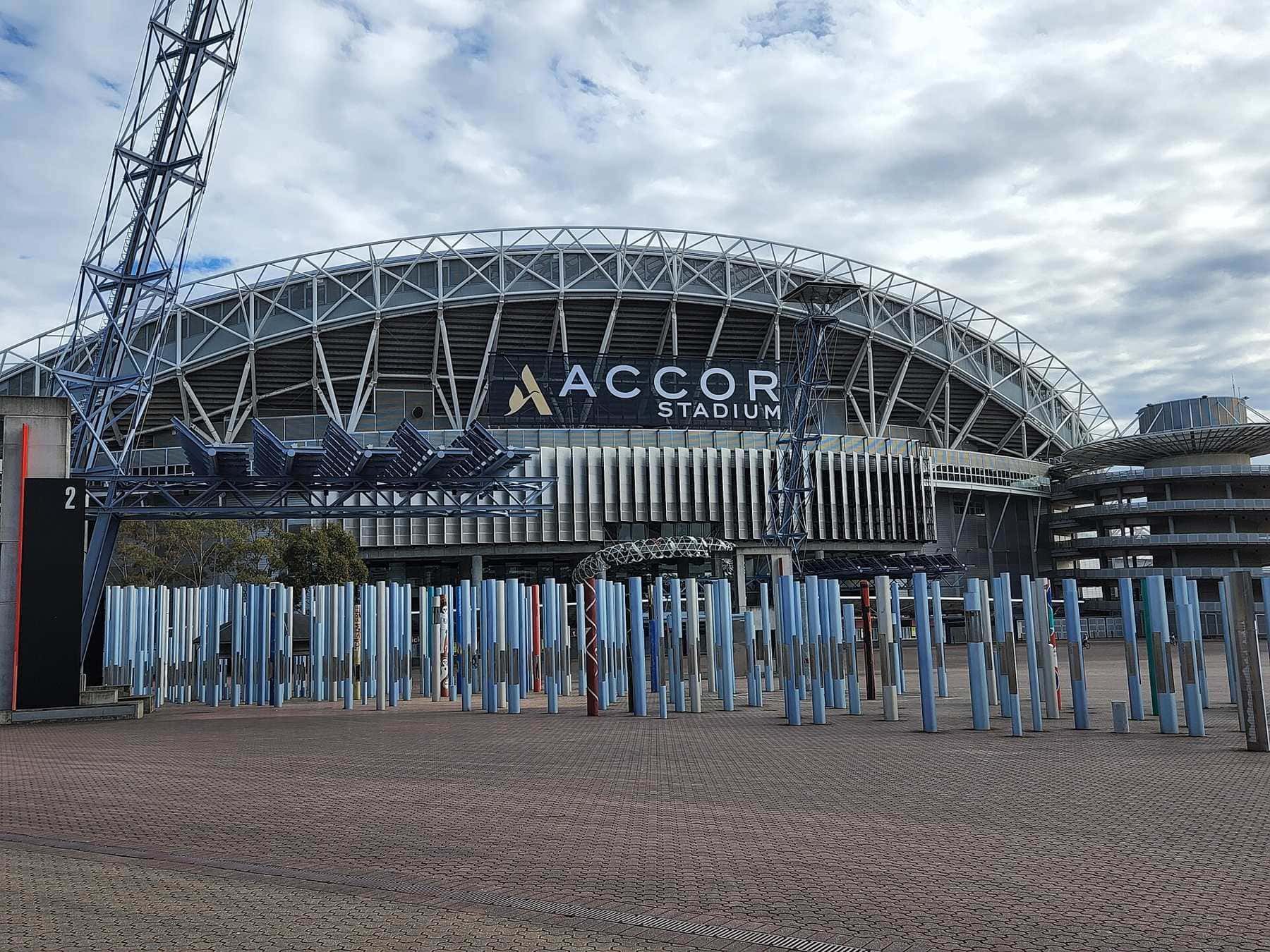
Stadium Australia is the centrepiece of Sydney Olympic Park. Opened in 1999 in time for the Games, it hosted the opening and closing ceremonies, the athletics and the men's football final. More than twenty-five years later, it remains one of the country's busiest major stadiums.
1999
Opened
Ahead of the Games
115,000
Olympic capacity
Largest Olympic stadium built
~80,000
Capacity today
After reconfiguration
Venues NSW
Operator
State venue manager
Building the stadium
Stadium Australia was built for about $690 million and opened in 1999. Its distinctive curved roof and huge open ends were designed to hold more spectators than any previous Olympic stadium. Its first sporting event, in March 1999, was a rugby league double-header that drew a then-record crowd for the sport.
The stadium at the Games
During the Olympics, the stadium hosted:
- The opening ceremony on 15 September 2000, ending with Cathy Freeman lighting the cauldron.
- Athletics, including Freeman's 400 metres win in front of more than 110,000 people.
- The men's football final.
- The closing ceremony on 1 October.
During the Paralympic Games, it hosted the opening and closing ceremonies and athletics.
Reconfiguration
After the Games, the stadium was too large for most events. A major reconfiguration removed the open-end seating and added movable seating, so the lower tier could be arranged for rectangular codes such as rugby and football, or for oval sports. The current capacity is around 80,000.
The stadium today
Stadium Australia hosts:
- Rugby league: the NRL Grand Final each year, State of Origin matches and home games for clubs including South Sydney and Canterbury-Bankstown.
- Rugby union: Wallabies test matches. It hosted the 2003 Rugby World Cup final.
- Football: Socceroos and Matildas internationals. It hosted the 2023 FIFA Women's World Cup final.
- Concerts: major international tours.
A history of big crowds
The stadium has hosted some of the largest crowds in Australian sporting history, including rugby league and rugby union records set in its original configuration. A 2000 Bledisloe Cup match drew a crowd of nearly 110,000. In 2005, the Socceroos' World Cup qualifying win over Uruguay at the stadium sent Australia to its first World Cup in more than thirty years.
Visiting the stadium
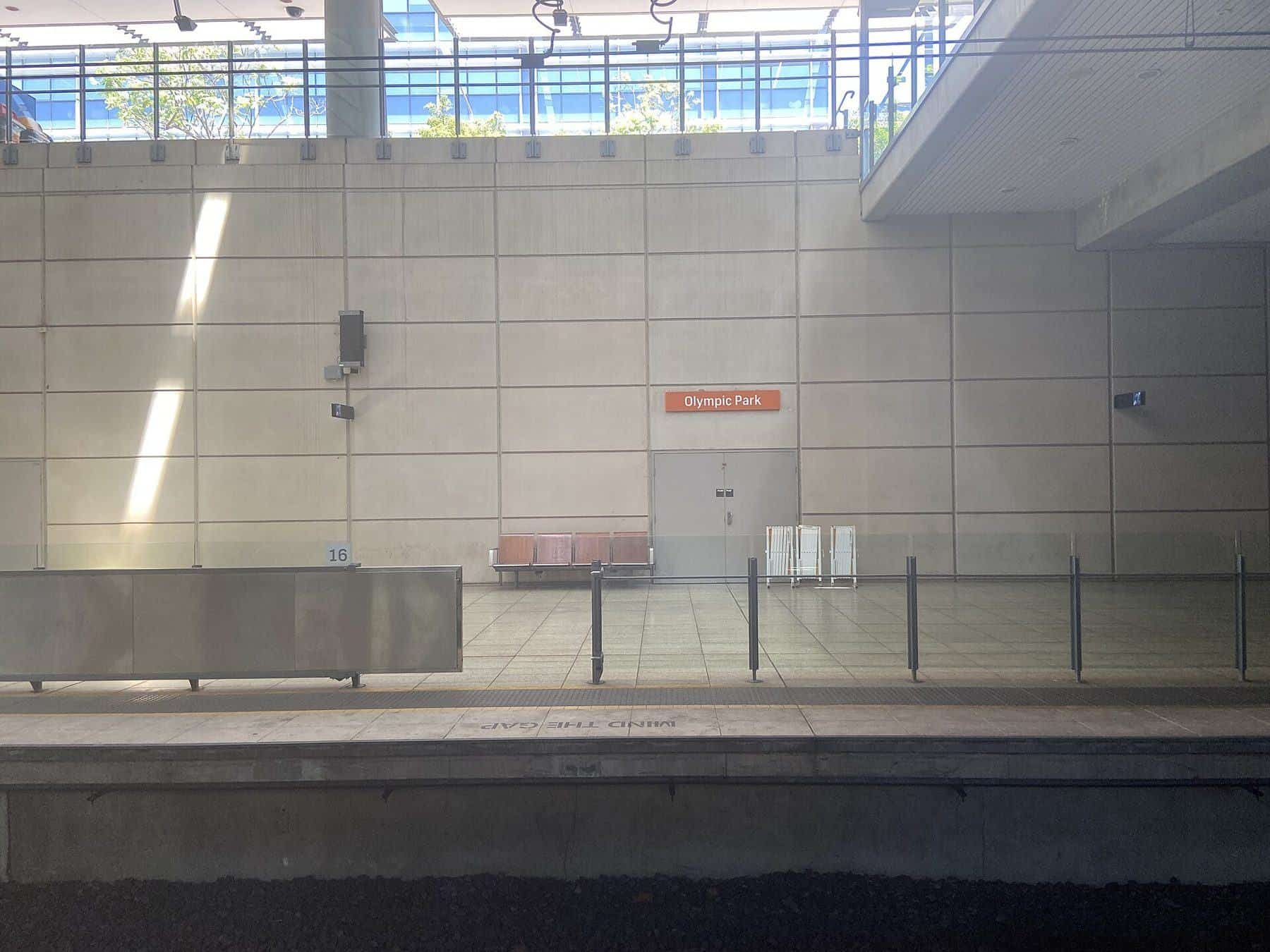
The stadium is a short walk from Olympic Park station. On event days, extra trains and buses run. Check the event's transport information and allow time for crowds after the event. Read getting there.
Stadium tours have been offered at times. Check the stadium's official website for current tours and events.
Around the stadium
- Cathy Freeman Park, with the relocated Sydney 2000 cauldron.
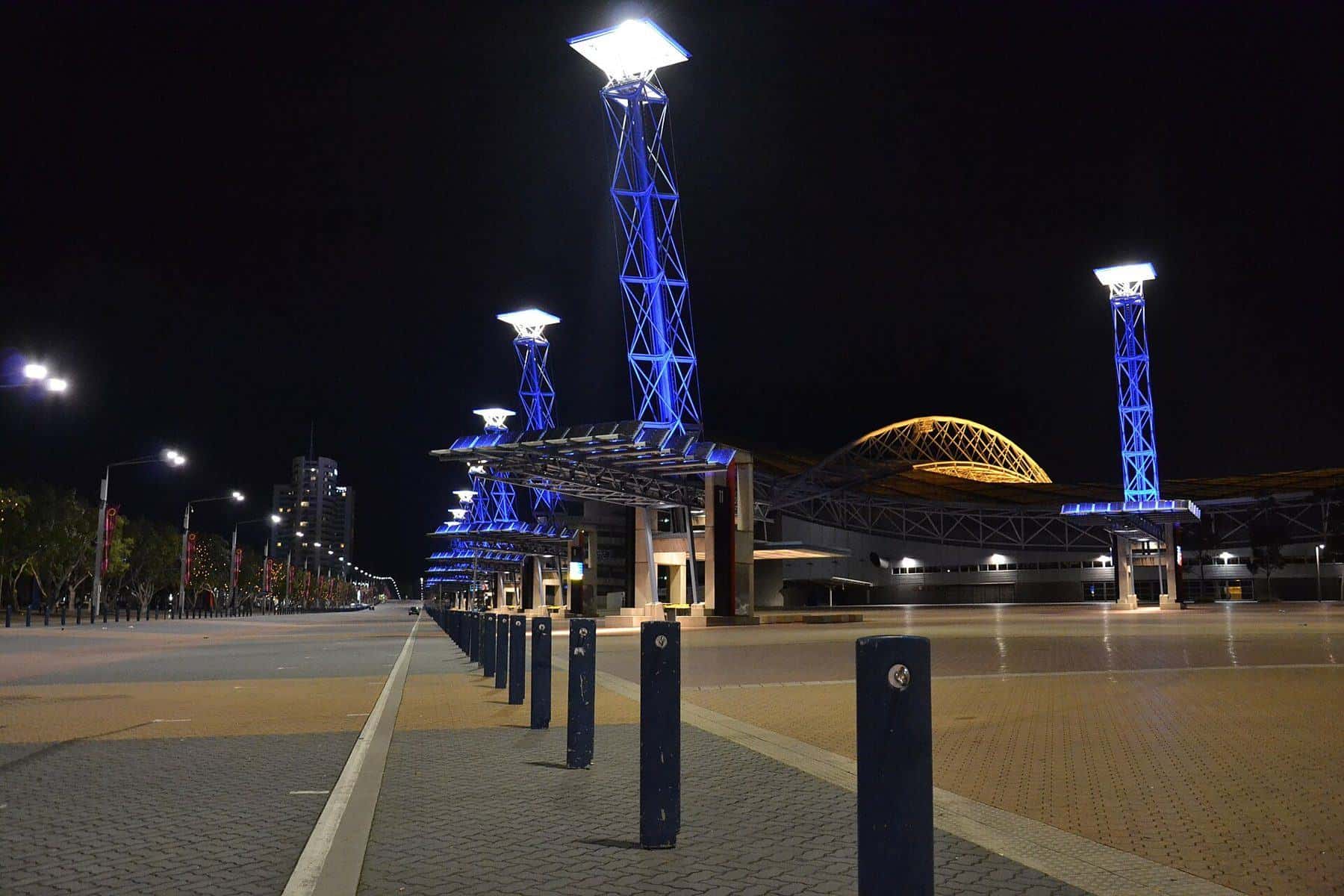
- Olympic Boulevard, the main pedestrian spine of the park.
- Games-era public art and the Games Memories installation of poles near the stadium.
- The Showground and the arena nearby.
Names over the years
The stadium has carried several sponsored names since the Games and is currently known as Accor Stadium. Many people still call it Stadium Australia or simply "the Olympic Stadium" or "Homebush".
Event day tips
- Buy tickets only from official sellers.
- Check the bag policy and prohibited items before you go.
- Use public transport: event tickets often include travel.
- Arrive early to explore the park.
- Plan where to meet friends if phones lose signal in the crowd.
Stadium event checklist
0 of 5 done
Ticks are saved in this browser only.
The future
Venues NSW manages the stadium as part of Sydney's network of major venues. Plans for its future have been debated by successive state governments. Whatever happens, its role in the Sydney 2000 Games secures its place in Australian sporting history.
The stadium's design
The stadium was designed by a consortium of architects with sustainability in mind for its time, including natural ventilation, rainwater capture and a roof shape intended to shade spectators. Its sweeping saddle-shaped roof became one of the most recognisable shapes on Sydney's skyline west of the city. The reconfiguration after the Games changed its silhouette, removing the open-ended stands that once framed the athletics track.
Accessibility at the stadium
The stadium offers accessible seating, companion seats and accessible toilets, and is linked to Olympic Park station by flat, step-free routes. Book accessible seating through the official ticket seller. Read our accessibility guide.
Before you go
Event schedules, ticketing, bag rules and transport arrangements are set by the stadium and event organisers and can change at short notice. Check the official stadium website and your ticket provider in the days before your event.
Frequently asked questions
Can I tour Stadium Australia?
Stadium tours have been offered at various times. Check the official stadium website for current tour availability.
How do I get to Stadium Australia?
Take the train to Olympic Park station, a short walk away. On event days, extra trains and buses run, and many event tickets include public transport.
What is Stadium Australia called now?
It is known under naming rights as Accor Stadium. It has had several sponsored names since the Games.
How many people did Stadium Australia hold at the Olympics?
About 115,000 in its original Olympic configuration, making it the largest Olympic stadium ever built.
What is the capacity of Stadium Australia today?
After reconfiguration, the capacity is around 80,000, with movable seating for rectangular and oval layouts.
What events are held at Stadium Australia?
Rugby league, including the NRL Grand Final and State of Origin, rugby union, football and major concerts.
Who operates Stadium Australia?
The stadium is operated by Venues NSW.
Sources and further reading
Facts on this page were checked against these primary and official sources. Conditions change — confirm before you travel or buy.
- Stadium Australia — Wikipedia
- Accor Stadium — Venues NSW
- Venues NSW — Venues NSW
- Sydney Olympic Park — Sydney Olympic Park Authority