The Olympic torch relay is one of the great rituals of the Games. For Sydney 2000, the relay was designed to reach as many Australians as possible, travelling through cities, country towns and remote communities on its way to the opening ceremony.
13,400
Torchbearers
Including Greece and Oceania
11,000
In Australia
Approximate number
14,000
Torches made
For the relay
First
Underwater
Great Barrier Reef leg
Lighting the flame
As for every Summer Games since 1936, the flame was lit in a ceremony at Olympia, in Greece, using a parabolic mirror to focus the sun's rays. On the day, cloud cover reduced the sunlight, so a flame lit during the rehearsal the day before was used. The flame then travelled through Greece to Athens before being flown to the Pacific.
Through Oceania
Before reaching Australia, the flame visited a series of Pacific island nations, reflecting Sydney's place in the Oceania region. Around 1,500 people carried the torch in this part of the journey, including in countries such as New Zealand and several island nations.
Arriving in Australia
The flame arrived in Australia in June 2000 and began its journey at Uluru, a symbolic starting point. Over the following months it travelled through every state and territory, visiting capital cities, regional centres and remote communities. Around 11,000 Australians carried it.
The torch
The Sydney 2000 torch was designed to reflect the boomerang, the sails of the Sydney Opera House and the waters of the Pacific. It had three layers: an inner layer with the fuel system and combustor, a middle layer with the fuel canister and an outer textured aluminium shell. It was made from a combination of copper, brass, aluminium and stainless steel, and burned a mixture of butane and propane. Around 14,000 torches were produced.
Underwater on the Great Barrier Reef
One of the most famous moments of the relay was a world first: carrying the flame underwater. A specially designed underwater flare was carried by a marine biologist on a dive at the Great Barrier Reef near Agincourt Reef, off Port Douglas, before being returned to land.
The torchbearers
Torchbearers included sporting heroes, community leaders, volunteers and people nominated for their contribution to their communities. Each carried the flame for a short leg. Many towns turned out in large numbers to see the flame pass through, and for some communities it was a once-in-a-lifetime event.
The relay was not without controversy. The selection of the first Australian torchbearer in Greece, the daughter of an Australian IOC vice-president, caused public criticism and led to an apology.
The final stages
In the days before the opening ceremony, the flame toured Sydney's suburbs, crossing the Harbour Bridge and visiting landmarks. On the night of 15 September, it entered Stadium Australia and was carried by a group of Australian women Olympians, celebrating 100 years of women's participation in the Olympic Games, before Cathy Freeman lit the cauldron.
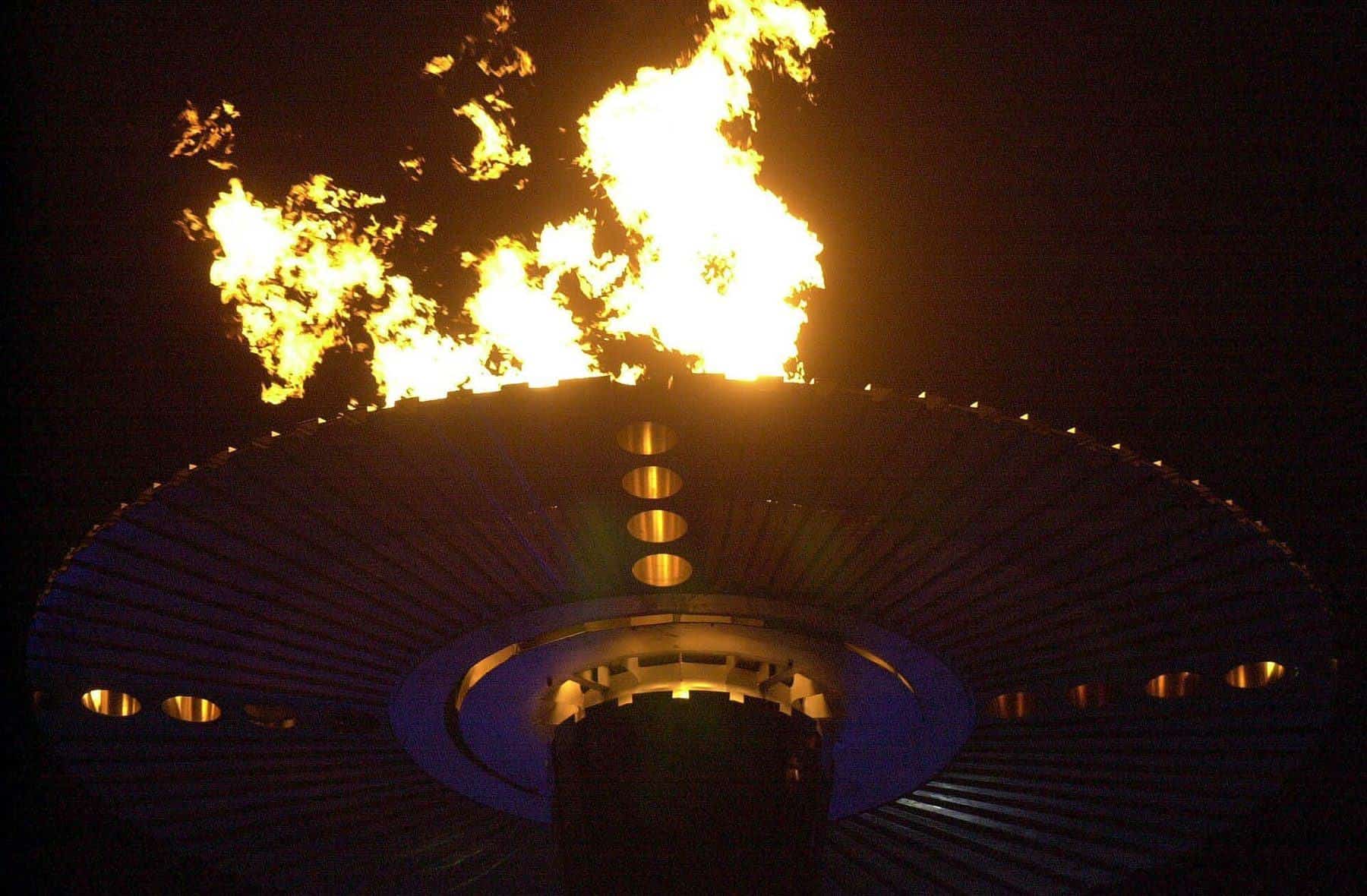
The cauldron
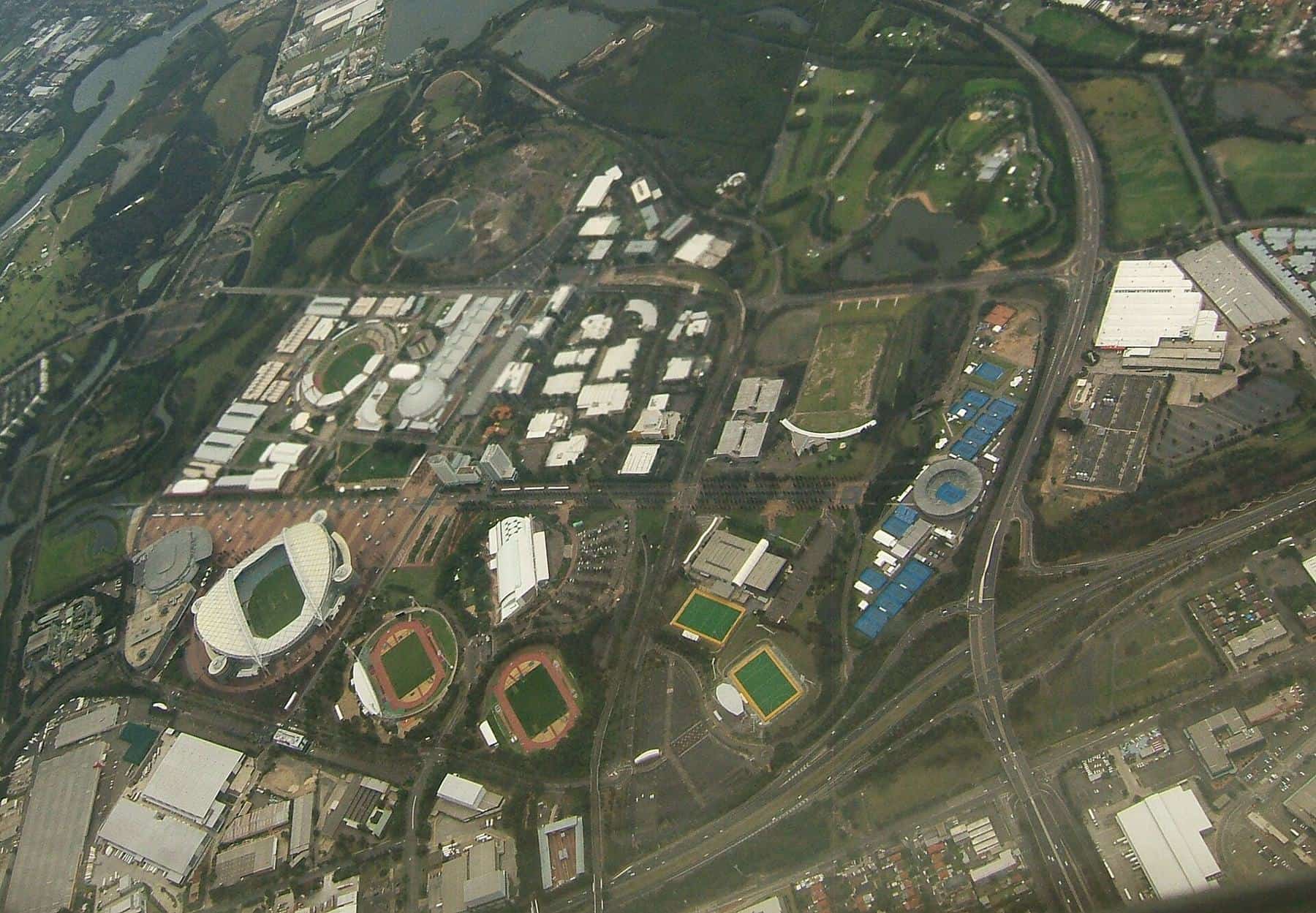
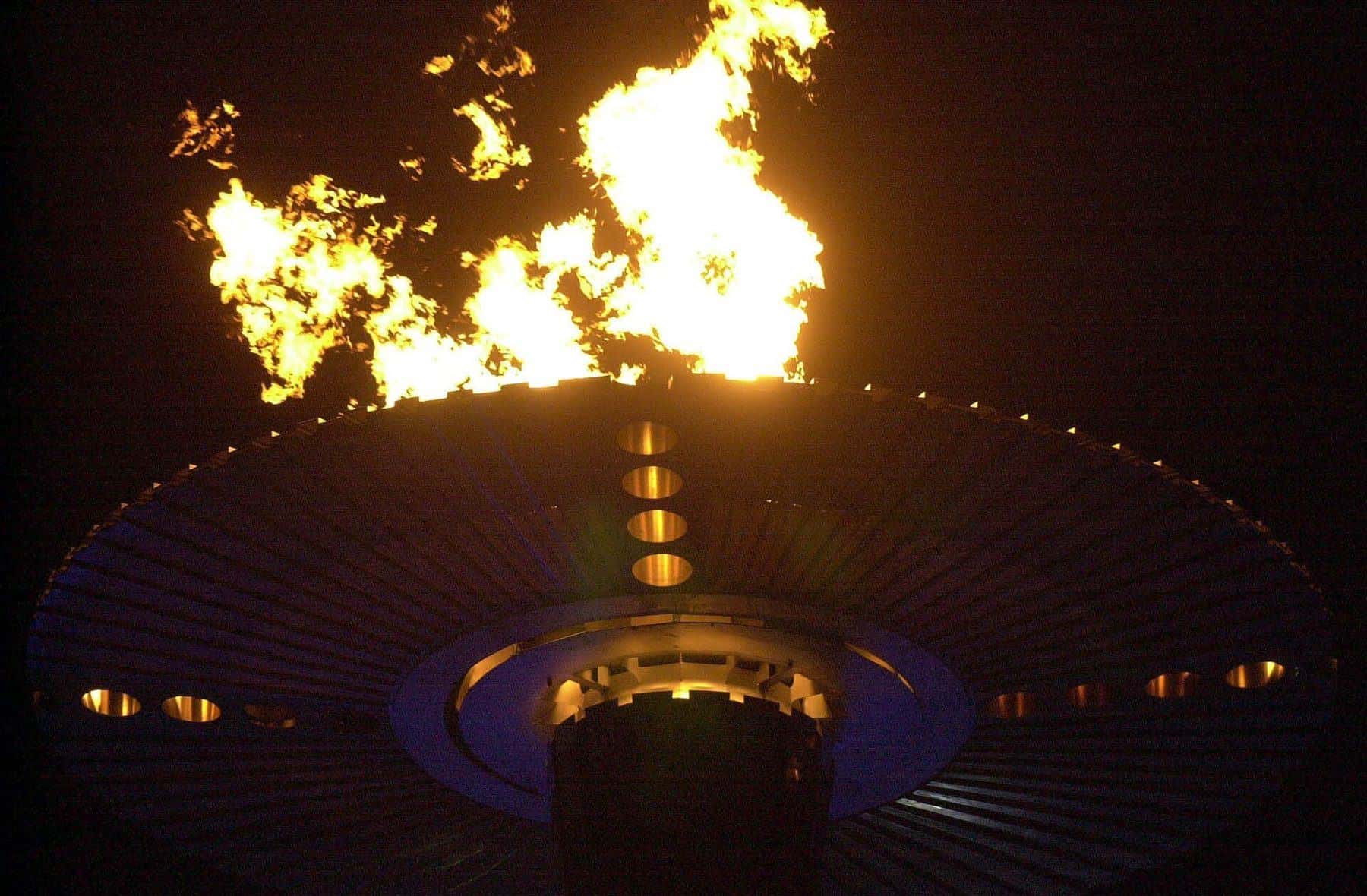
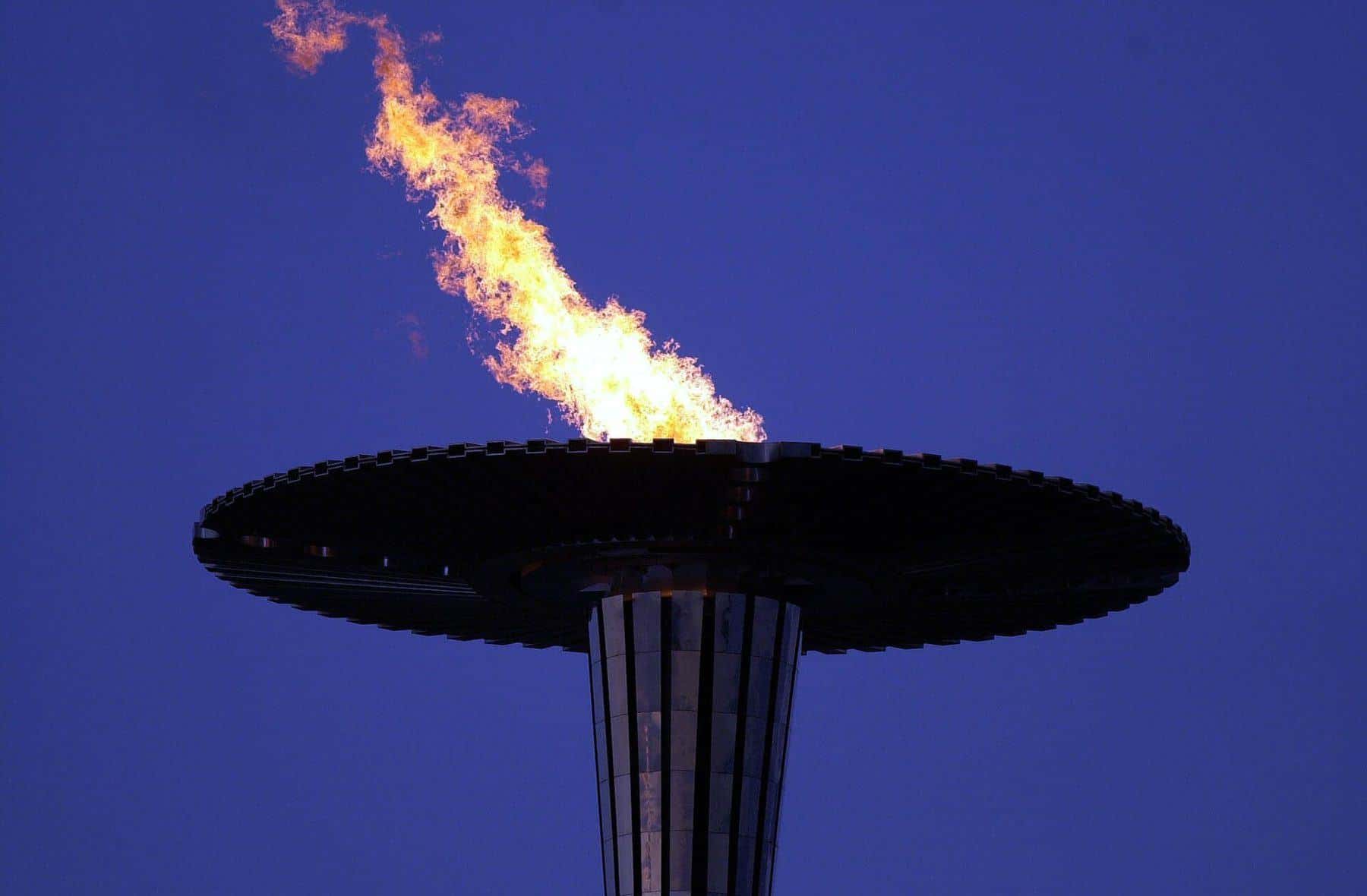
The cauldron rose from a pool of water and climbed to the top of the stadium. After the Games it was relocated to a park near the stadium, now known as Cathy Freeman Park, where it can still be seen. The same cauldron was used for the Paralympic Games in October.
The Paralympic torch relay
The Paralympic flame had its own, shorter relay before the Paralympic Games in October 2000, ending with the lighting of the cauldron at Stadium Australia.
Torches today
Sydney 2000 torches are prized by collectors and appear in museum collections. Some torchbearers kept their torches, and they occasionally appear at auctions and community displays. If you are researching a torch, the Powerhouse collection and other museum catalogues are a good place to start.
Why the relay mattered
The relay brought the Games to communities far from Sydney, and for many Australians it was their most personal connection to the Olympics. Local histories, newspapers and library collections across the country record the day the flame came to town.
Remembering the relay locally
Many towns have plaques, photos or memorabilia marking the day the flame passed through. Local libraries and historical societies are a good place to discover your town's relay story.
Researching the relay
0 of 4 done
Ticks are saved in this browser only.
Visiting the cauldron
The cauldron now stands in Cathy Freeman Park, near Stadium Australia at Sydney Olympic Park. It is a short walk from Olympic Park station. Read our visitor guide to plan your trip.
Frequently asked questions
Where did the torch relay start in Australia?
The Australian leg began at Uluru in June 2000.
How many people carried the Sydney 2000 torch?
About 13,400 torchbearers were involved in total, including around 11,000 within Australia.
Did the torch go underwater?
Yes. For the first time, the flame was taken underwater, with a specially designed flare carried on a dive at the Great Barrier Reef.
What did the Sydney 2000 torch represent?
Its design drew on the boomerang, the Sydney Opera House and the waters of the Pacific, reflecting earth, fire and water.
Who lit the cauldron?
Cathy Freeman lit the cauldron at the opening ceremony on 15 September 2000.
Where can I see a Sydney 2000 torch?
Museums and libraries, including the Powerhouse in Sydney and the National Sports Museum in Melbourne, have held Sydney 2000 torches in their collections. Check current displays before visiting.
Sources and further reading
Facts on this page were checked against these primary and official sources. Conditions change — confirm before you travel or buy.
- 2000 Summer Olympics torch relay — Wikipedia
- Sydney 2000 Olympic torch — Powerhouse
- Olympic torch relay history — International Olympic Committee
- National Sports Museum — National Sports Museum